Ijen Crater from Bali: Is the Overnight Trip Worth It?
Is Ijen Crater worth the trip from Bali?
If seeing the blue fire phenomenon and the sulfur mining operation genuinely interests you, yes — there is nowhere else in Indonesia that combines both in one accessible night hike. It is a demanding, sleep-deprived trip involving a ferry crossing to Java and a steep pre-dawn climb through sulfur fumes, so it rewards people who go in prepared rather than expecting an easy add-on to a Bali holiday.
Ijen Crater sits across the strait from Bali, on the eastern tip of Java near Banyuwangi, and it is not a Bali attraction in any strict sense — it is a separate island trip that happens to be close enough to bolt onto a Bali holiday. What draws people across is the electric-blue flame that flickers around the crater’s sulfur vents in the hours before dawn, a genuinely rare phenomenon caused by combusting sulfuric gas, visible at only a small handful of places on earth. Alongside it, in daylight, you see something almost as striking: miners carrying raw sulfur out of the crater in woven baskets on their shoulders, a working industry that predates the tourism built up around it.
None of this comes easily. Reaching Ijen from Bali means a ferry crossing to Java, a drive to the mountain’s base, a few hours of broken sleep at best, and then a steep night hike that starts well before sunrise so you’re at the crater rim while the blue fire is still visible against the dark. This guide lays out what that actually involves so you can decide whether it belongs on your itinerary or is better left for a future, more East-Java-focused trip.
Ijen Crater from Bali at a glance
| Where | Ijen volcano complex, near Banyuwangi, East Java — a ferry crossing from Bali |
| Cost | Overnight tour package covering ferry, transport, hike guide, and gas mask rental |
| Time needed | A full overnight trip, typically departing the afternoon or evening before and returning the following day |
| Access | Organised overnight tour is strongly recommended over independent travel given the ferry, night logistics, and permit process |
| Best time | Dry season for trail conditions; check wind direction on the day, since fume exposure depends heavily on it |
The blue fire, explained honestly
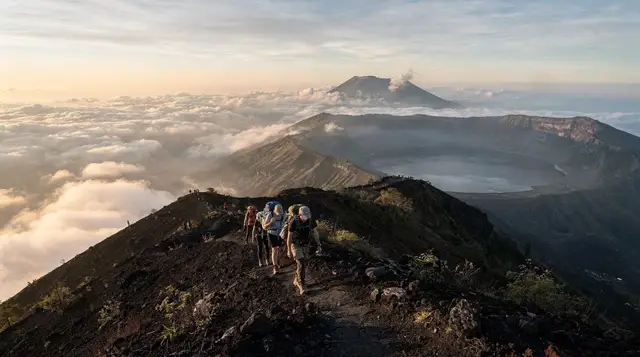
The blue flame is real, not a photo-editing trick, and it is caused by sulfuric gas igniting as it escapes vents around the crater at high temperature. It is only reliably visible in darkness, which is the entire reason for the punishing schedule — arrive after sunrise and you will see the crater and its turquoise-coloured acid lake, both genuinely worth seeing, but not the flame itself. What trip reports and photos rarely convey is how physically demanding the approach is: steep, loose volcanic gravel in the dark, thinning air as you climb, and a final descent into the crater bowl itself that is optional but where the closest, most dramatic views of the flame are.
The sulfur miners you’ll actually see
Alongside the tourist trail, Ijen remains a working sulfur mine, and the men who carry loads of raw sulfur up out of the crater on bamboo yokes are doing genuine, physically brutal labour, not a performance for visitors. Most tours build in time to watch this respectfully, and some miners sell small carved sulfur souvenirs at the rim — buying one is a reasonable way to put a little money directly into their hands, though it should never feel obligatory or be treated as a photo prop without asking first. Reading a bit about the mining operation before you go changes the visit from spectacle into something closer to an honest look at an unusual, dangerous job that still exists in a place otherwise built around adventure tourism.
How to actually get there from Bali
There is no direct short route — the standard approach is a drive to Bali’s west-coast port at Gilimanuk, a ferry across the strait to Ketapang on Java, then a further drive up toward the Ijen base camp near Banyuwangi. Doing this independently is possible but genuinely complicated to coordinate against the narrow overnight-hike window, which is why the overwhelming majority of visitors book an organised overnight package instead.
A tour like the Ijen Crater overnight volcano trip from Bali with sunrise handles the ferry, the transfer, the permit, and the guide as a single booking, which removes most of the coordination risk from an already tiring itinerary.
Ijen alone, or Ijen combined with Bromo
Many visitors extend the trip to cover Mount Bromo as well, since both sit within the same general region of East Java and a combined route is a common way to justify the ferry crossing with more than one highlight. This adds a second night and a second early start, so it is worth being honest with yourself about whether you actually want two consecutive pre-dawn volcano hikes or would rather do them as separate trips months apart.
A tour built specifically around both, such as the Banyuwangi Ijen Crater and Bromo Mountain 2-day tour, is the most efficient way to combine them if you do want both, sequencing the transfers so you’re not backtracking across the region.
Fitness and altitude, realistically
The climb to the Ijen rim is steady rather than technical, but it happens on loose volcanic gravel in the dark, over a distance that takes a genuine toll on unprepared legs, and the descent afterward is where tired hikers most often stumble. You do not need mountaineering experience, but you do need reasonable cardiovascular fitness and, ideally, some recent experience walking on uneven terrain rather than flat pavement.
Altitude at the crater rim is high enough that some visitors notice shortness of breath, though it rarely reaches a level that causes serious altitude sickness for a short visit. Anyone with respiratory conditions should think especially carefully about the sulfur fume exposure regardless of fitness level, since that risk exists independently of how strong your legs are.
What isn’t worth the detour
Skip any operator offering an unrealistically short turnaround — a same-day return to Bali immediately after the hike, with no rest built in, tends to produce an exhausted, unsafe descent and a miserable ferry crossing home. Also be cautious of budget tours that skip gas mask provision entirely or treat it as an optional extra; given the genuine health risk from sulfuric fumes, this is not the place to economise. If East Java is otherwise outside your planned route, weigh whether a rushed Ijen trip squeezed into a short Bali holiday is worth the fatigue against saving it for a trip with more slack built in.
What it costs
Budget for an overnight package price that bundles the ferry crossing, land transport on both islands, the hiking permit, a guide, and gas mask rental — assembling all of this independently is possible but rarely cheaper once you account for the coordination difficulty and the cost of getting the timing wrong. Bringing your own reusable gas mask if you already own one for other travel is a reasonable way to shave a little off the package cost, though most operators include a serviceable one regardless.
Seasonality
Dry season, roughly April to October, gives the most reliable trail conditions for the steep, loose volcanic gravel sections of the climb, and clearer skies generally mean a better view once you’re at the rim. Wind direction matters more day-to-day than season for how much sulfur fume exposure you get at the crater — a guide on the ground will adjust the route or timing around it, which is one more reason an organised trip with local knowledge beats an independent one here. The wetter months from November to March add slippery trail risk on top of the usual altitude and darkness challenges.
Booking a guide and permit
Entry to the Ijen hiking trail requires a permit, sold at the base camp gate, and every legitimate tour includes this in the package price so you never have to think about it separately. A local guide is not strictly mandatory for the main trail in the way it effectively is at the crater bowl descent, but going without one on your first visit removes the local knowledge of fume conditions, pacing, and where exactly the flame is best viewed from at any given hour.
Operators covering both Ijen and the wider Malang and Surabaya side of East Java, such as the Mount Bromo and Ijen Crater 2-day tour from Malang or Surabaya, are a useful option if your route into the region comes from that direction rather than directly from Bali via the Gilimanuk ferry.
How this fits into a longer trip
Ijen belongs in a wider East Java loop rather than a single rushed overnight if you can manage the extra days — the Bali and Java volcanoes, 5 days itinerary threads Ijen together with Bromo and the wider crossing logistics into one connected route. For the practical side of getting across to Java at all, see Bali to East Java overland, which covers the ferry and road route in more detail than fits here.
If Ijen’s blue fire is the main draw, the Ijen Crater blue fire guide goes deeper into the phenomenon itself, and the what to pack for a volcano trek page is worth reading before you commit to any pre-dawn Java or Bali volcano hike, since the gear mistakes are largely the same across all of them. Anyone weighing whether the night hike is worth the fatigue should also read why your Bali sunrise trek starts at 2am for a wider sense of what these early-hours climbs actually feel like.
Frequently asked questions about Ijen Crater from Bali
Do I need a gas mask for Ijen Crater?
Yes, strongly recommended and provided by virtually every organised tour. Sulfuric fumes around the crater vents can be genuinely harmful, and wind can shift exposure quickly without warning.
Is Ijen Crater actually in Bali?
No — it is in East Java, across the strait, reached from Bali by ferry and road. It is commonly marketed to Bali travellers as a side trip, but it is a separate island entirely.
Can I see the blue fire without descending into the crater bowl?
Yes, to a degree — the flame is visible from the rim area, though the closest and most dramatic views come from descending partway into the crater itself, which some visitors choose to skip depending on fume conditions and personal comfort.
Is Ijen worth doing along with Bromo, or should I pick one?
If your schedule allows two consecutive early mornings and you want to make the most of the ferry crossing, combining them makes sense. If you only have time or energy for one, Ijen’s blue fire is the more genuinely rare phenomenon of the two.
How physically demanding is the Ijen hike?
Steep and strenuous, especially the loose gravel sections in darkness, though it does not require technical climbing skill. Reasonable fitness and sturdy footwear matter more than any specialised training.
Is it safe to buy sulfur souvenirs from the miners?
Generally yes, and it is a reasonable, direct way to support them, though always ask before photographing anyone working rather than treating the mining operation as a backdrop.
What should I wear for the Ijen night hike?
Warm layers for the pre-dawn cold, sturdy closed shoes with grip for loose volcanic gravel, and a headlamp if your tour doesn’t provide one, since the trail is unlit.
Can I visit Ijen as a genuine day trip from Bali without an overnight stay?
Technically some tours push a very compressed version, but given the ferry crossing in both directions and the pre-dawn hike timing, an overnight approach is far more realistic and considerably safer than trying to compress it into one day.
Best day trips from Bali on GetYourGuide
Verified deep-linked GetYourGuide tours. Book through these links and we earn a small commission at no cost to you.
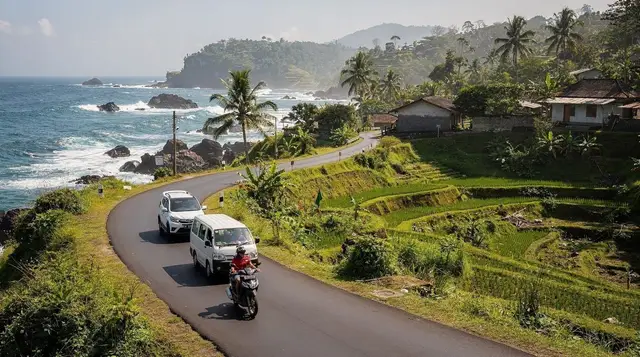
These are our own photographs of Bali, not the operator's pictures of this tour — open the tour page to see those.