Bali to East Java Overland: The Gilimanuk Ferry Route
How do you get from Bali to East Java overland?
Via the car ferry between Gilimanuk on Bali's west coast and Ketapang on Java, a short crossing that connects directly by road to Banyuwangi and the wider East Java region covering Ijen, Bromo, Tumpak Sewu, and Malang. Most tourists do this as part of an organised overnight or multi-day tour rather than arranging the ferry and onward transport independently.
East Java sits just across the strait from Bali’s western tip, close enough that the crossing itself is short, but the region on the other side — Ijen’s blue fire, Bromo’s caldera, Tumpak Sewu’s waterfall, and the city of Malang — is different enough in character to feel like a genuinely separate trip rather than a simple extension of a Bali holiday. Unlike Komodo, which requires a flight, East Java is reachable entirely overland via a short ferry crossing, which changes the planning calculus considerably.
This guide covers the practical route — the ferry itself, what’s on the other side, and how most visitors actually structure the logistics — since the region rewards a bit of upfront planning given how spread out its highlights are once you’re across the strait.
Bali to East Java overland at a glance
| Crossing point | Gilimanuk (Bali) to Ketapang (Java) — a short ferry |
| Onward hub | Banyuwangi, the gateway town for Ijen and the wider region |
| Key highlights | Ijen Crater’s blue fire, Mount Bromo, Tumpak Sewu waterfall, Malang |
| Typical approach | Organised overnight or multi-day tour rather than fully independent travel |
| Best time | Dry season for trail and road conditions on the volcano treks specifically |
The Gilimanuk to Ketapang crossing
The ferry connecting Bali to Java runs between Gilimanuk, at Bali’s westernmost point, and Ketapang on the Java side, a short crossing that operates frequently throughout the day and accommodates both vehicles and foot passengers. This is the practical gateway for any overland East Java trip, and it’s a considerably more straightforward crossing than the longer, more exposed open-water routes to the Gili Islands or Lombok, given how sheltered this particular strait is. Most independent travellers doing this route by road transfer directly from Bali to the port, cross, and continue on to Banyuwangi without an extended stop at the port itself.
Banyuwangi: the practical gateway
Banyuwangi, a short drive from the Ketapang ferry terminal, functions as the main gateway town for the whole East Java region covered by most Bali-based tours — it’s the base for Ijen Crater trips and a common overnight stop before continuing toward Bromo or further into East Java. Most visitors don’t spend much time in Banyuwangi itself beyond a night’s accommodation, treating it as a logistical hub rather than a destination, though it has its own character worth a quick look if your schedule allows.
A guided approach with local transfer support, such as the Banyuwangi Mt Ijen trip with a local guide and transfer service, handles the ferry-to-trailhead logistics as a single coordinated booking.
Stringing together Ijen, Bromo, and beyond
East Java’s highlights are genuinely spread across a fairly wide area — Ijen near Banyuwangi, Bromo further north toward Probolinggo, Tumpak Sewu waterfall and the city of Malang further west still. Covering more than one of these in a single trip requires real route planning, since backtracking between them adds hours you’d rather spend at the sites themselves.
A multi-day package built specifically to string these together efficiently, like the Explore East Java 4D3N tour covering Ijen, Bromo, and Tumpak Sewu waterfall, sequences the driving and overnight stops in a way that’s genuinely difficult to replicate as efficiently on your own first attempt at the region.
Independent travel vs an organised tour
Independent overland travel into East Java is entirely possible — the ferry runs frequently and roads connect everything — but the specific demands of the pre-dawn volcano hikes at Ijen and Bromo, including permits, local guide requirements, and unlit trail navigation, make an organised tour or at minimum a hired local driver considerably more practical for most visitors than a fully independent approach. This is less about safety in the ferry-and-road sense, which is straightforward, and more about the specialised local knowledge needed for the hiking components specifically.
What’s actually on the other side
Once across the strait, the region’s highlights each bring something different. Ijen Crater delivers the blue fire phenomenon and the working sulfur mine, both reachable from Banyuwangi itself. Further north and west, Mount Bromo offers a different volcanic spectacle entirely — a vast, otherworldly caldera crossed on foot or horseback for a sunrise viewpoint that’s become one of Indonesia’s most photographed scenes.
Tumpak Sewu, a wide, multi-tiered waterfall reached via a genuinely demanding descent, and the city of Malang, a useful base with a cooler highland climate and its own colonial-era architecture, round out the region’s main draws for a longer overland trip. Few visitors manage all four properly on a single Ijen-focused trip, which is exactly why the route planning described above matters as much as it does.
Guides for each specific stop
If Bromo’s sunrise crossing is your priority once you’re in the region, the Mount Bromo sunrise guide covers that specific experience in more depth than fits into this overland-route overview. Similarly, Tumpak Sewu waterfall has its own dedicated guide covering the descent and what to expect at the falls themselves. Both pre-dawn volcano treks in this region — Ijen and Bromo — share similar gear demands, covered in the what to pack for a volcano trek guide, which is worth reading regardless of which specific peak you’re tackling.
What isn’t worth the detour
Skip trying to cram Ijen, Bromo, Tumpak Sewu, and Malang into a rushed two-day trip — each deserves proper time, and the driving distances between them punish an overly ambitious schedule more than most first-time planners expect. Also be cautious of any operator promising a same-day round trip covering the ferry crossing and a full volcano hike without an overnight stay — the timing rarely works out well, and a rushed version of either Ijen or Bromo undersells what makes them worth the crossing in the first place.
What it costs
The ferry crossing itself is inexpensive, and the larger cost driver is the onward tour or driver arrangement covering transport, permits, and guiding for the volcano treks specifically. A multi-day package bundling transport, accommodation, and guiding into a single price is often more straightforward to budget for than assembling each piece independently, given how many separate logistics are involved in a proper multi-stop East Java route.
Seasonality
Dry season, roughly April to October, offers the most reliable conditions for both the ferry crossing and the volcano trail conditions at Ijen and Bromo specifically, where loose volcanic terrain becomes considerably more hazardous when wet. The wetter months from November to March don’t rule out the trip, but they add real risk to the steep, unpaved sections of both major treks in this region, on top of the general road-condition challenges of driving East Java’s routes in heavier rain.
Combining with a Bromo-specific transfer
If Bromo rather than Ijen is your main draw once you’re across the strait, a dedicated transfer connecting Banyuwangi onward toward Surabaya or the Bromo region, such as the Banyuwangi Ijen blue fire tour with transfer to Surabaya, covers both Ijen and the onward leg in a single booking rather than requiring separate transport arrangements for each stage of a longer East Java loop.
How this fits into a longer trip
This overland route is the backbone of the Bali and Java volcanoes, 5 days itinerary, which threads Ijen, Bromo, and the ferry logistics together into a single connected plan. If Ijen specifically is your main goal rather than the wider East Java region, the Ijen Crater from Bali guide goes deeper into that single destination. For the broader transport picture within Bali itself before you reach the ferry, see getting around Bali.
Frequently asked questions about Bali to East Java Overland
How do I get from Bali to East Java?
Via the car ferry between Gilimanuk on Bali’s west coast and Ketapang on Java, a short, frequent crossing accommodating both vehicles and foot passengers.
Is East Java part of this site’s coverage, or is it more like Yogyakarta and central Java?
East Java — Ijen, Bromo, Banyuwangi, Tumpak Sewu, Malang — is covered here as a natural extension of a Bali trip. Yogyakarta, Jakarta, and central/west Java are a different region entirely and outside this site’s scope.
Can I do this as a day trip from Bali?
Not realistically for the volcano highlights specifically — the ferry crossing itself is short, but Ijen and Bromo’s pre-dawn hike timing makes an overnight stay the practical minimum.
Should I book an organised tour or arrange this independently?
Most visitors find an organised tour or at least a hired local driver considerably more practical, given the permit and local-guide requirements around the pre-dawn volcano hikes specifically.
How far apart are Ijen and Bromo?
Far enough that combining both in a single trip requires genuine route planning rather than a casual add-on; a multi-day package sequencing the driving between them efficiently is worth considering over independent planning for a first visit.
Is the ferry crossing itself difficult or risky?
No — it’s a short, sheltered crossing that runs frequently throughout the day, considerably calmer than the open-water routes to the Gili Islands or Lombok.
What’s the main gateway town for East Java trips from Bali?
Banyuwangi, a short drive from the Ketapang ferry terminal, functions as the practical hub for Ijen trips and onward travel further into the region.
When is the best time to do this route?
Dry season, roughly April to October, for the most reliable ferry and, more importantly, trail conditions on the volcanic terrain at both Ijen and Bromo.
How long should I budget for a proper East Java trip from Bali?
At least three to four days if you want to cover Ijen and Bromo together without rushing either, and longer still if Tumpak Sewu and Malang are also on your list, given the driving distances between each highlight.
Do I need a different visa or paperwork to cross into Java from Bali?
No — Java is part of the same country as Bali, so no separate visa or entry paperwork is needed for this overland crossing, unlike an international border.
Is Malang worth including if I’m mainly there for Ijen and Bromo?
It’s a reasonable addition if you have the extra days, offering a cooler climate and a different pace than the volcano-focused stops, but it’s not essential if your trip is tightly focused on Ijen and Bromo specifically.
Can I drive myself across on the ferry rather than joining a tour?
Yes, if you have your own or a rented vehicle, the ferry accommodates self-driven cars, though the pre-dawn volcano hikes at Ijen and Bromo still benefit strongly from local guiding regardless of how you handled the road portion of the trip.
Is this route suitable for a first-time visitor to Indonesia, or better for a return trip?
It works reasonably well for either kind of traveller, but a first-time visitor should be honest with themselves about the physical demands of the pre-dawn hikes and the amount of driving involved before committing a large chunk of a first Indonesia trip to this specific region rather than spending that time in Bali itself.
Transport passes & transfers on GetYourGuide
Verified deep-linked GetYourGuide tours. Book through these links and we earn a small commission at no cost to you.
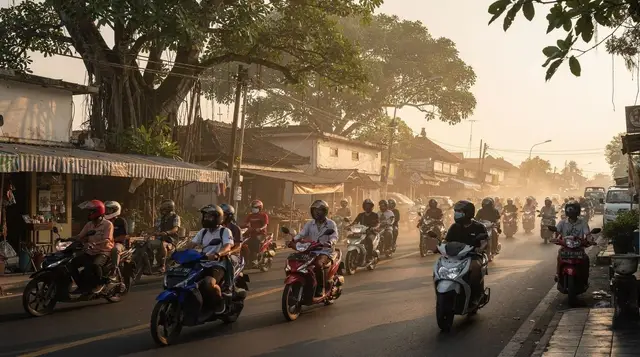
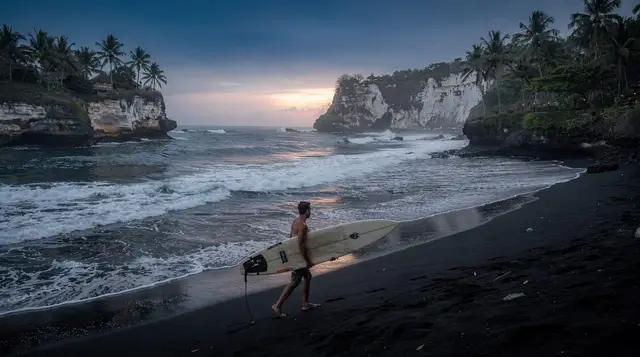
These are our own photographs of Bali, not the operator's pictures of this tour — open the tour page to see those.