Ijen Blue Fire: Is the Overnight Trek Actually Worth It?
Ijen’s blue fire is one of only a handful of places on earth where you can see it, and it’s genuinely not a trick of lighting or long exposure photography — it’s burning sulfuric gas escaping through cracks in the volcanic rock, igniting into blue flame that’s only visible once it’s fully dark. That single fact drives everything difficult about visiting it: there’s no version of this trip that happens in daylight, which means a midnight start, a headlamp-lit trek up loose volcanic scree, and a steep, gas-exposed descent into the crater itself, all before most people would normally be waking up.
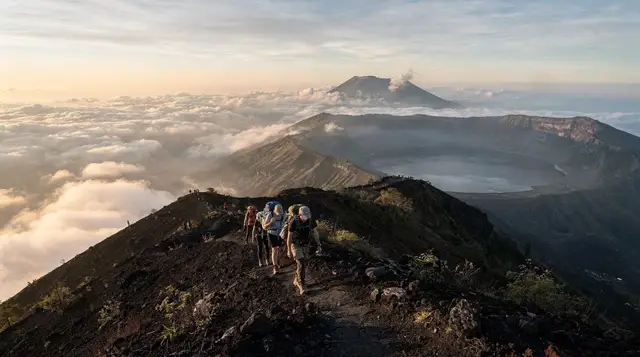
The trek itself is the honest sticking point most trip write-ups gloss over. It’s around a three-hour round trip on foot from the car park to the crater rim and back down into the crater for the closest view of the blue flames, on a trail that’s steep, dusty, and uneven in the dark. Add the descent into the crater itself, which is steeper again and where the sulfuric gas is strongest, and this is not a casual walk dressed up with a dramatic name — it’s a genuinely demanding pre-dawn hike that rewards reasonable fitness and punishes anyone expecting an easy stroll.
What makes it worth doing, for most people who do it, is that the reward is a genuinely rare natural phenomenon rather than a manufactured tourist spectacle. Very few places on the planet have this specific combination of gas chemistry and volcanic geology, and seeing electric-blue flames flickering against a pitch-black crater at 2 or 3am is unlike anything else on a typical Southeast Asia itinerary. Whether that’s worth a night of lost sleep and a demanding hike is a genuinely personal calculation, and this page is trying to give you the honest inputs to make it rather than talk you into or out of it.
At a glance
| Where | Ijen Crater, near Banyuwangi, East Java, reached from Bali by ferry or flight |
| Start time | Around midnight, to reach the crater while it’s still fully dark |
| Time needed | A demanding three-plus-hour round trip on foot, plus travel time from Bali |
| Access | Overnight tour from Bali (ferry crossing to Java) or based from Banyuwangi itself |
| Best time | Dry season for clearer views and safer footing; avoid periods of elevated volcanic activity |
What the trek actually involves, hour by hour
Most trips depart Bali or Banyuwangi around midnight, drive to the Ijen car park, and start walking by roughly 1am. The ascent to the crater rim takes a couple of hours on a well-used but steep gravel trail, often shared with local porters carrying sulfur down the same path. From the rim, a further descent into the crater itself — steeper, dustier, and where gas concentration is highest — gets you close enough to see the blue flames clearly, typically for a limited window before the group heads back up to watch sunrise from the rim and descend in daylight.
Gas masks are not optional
Sulfuric gas at Ijen is a genuine respiratory hazard, not a minor inconvenience, and every reputable operator provides or requires a gas mask for the crater descent specifically. Wind direction affects how much gas reaches the viewing area, and on a bad-wind night the descent can be genuinely uncomfortable even with a mask; on a good night, gas exposure is minimal. Anyone with asthma or other respiratory conditions should discuss this honestly with themselves before booking, since a mask reduces but doesn’t eliminate exposure, and the crater floor is not a place to discover a breathing problem mid-descent.
Private versus group tours
A group tour, such as the midnight group tour to Ijen blue fire from Bali or Banyuwangi, is the more affordable and common way to do the trek, moving at a fixed group pace with a shared guide. A private tour, like the private Ijen volcano blue fire night tour from Banyuwangi, costs more but lets you set your own pace on the ascent and descent, which matters more here than on most day tours given how physically demanding the trail is.
| Group tour | Private tour | |
|---|---|---|
| Pace | Fixed to the group | Set by you |
| Cost | Lower | Higher |
| Flexibility | Limited | Can adjust timing and stops |
| Best for | Fit hikers comfortable with a shared pace | Anyone wanting to go slower or faster than a group average |
Doing it from Bali versus basing in Banyuwangi
Doing the trek as a single overnight trip from Bali means a ferry crossing to Java each way on top of the hike itself, which stacks a lot of travel time onto an already sleep-deprived night. A trip like the two-day, one-night Ijen blue fire trip with hotel included spreads this across two days with a proper rest period, which is a meaningfully better way to manage the fatigue than compressing the whole thing into one overnight round trip from Bali.
Sulfur miners on the trail
Part of what makes Ijen distinct from a purely scenic volcano trek is that it’s also an active sulfur mining site, and you’ll likely pass miners carrying heavy loads of raw sulfur down the same trail you’re climbing, often working through the night under considerably harder conditions than any tourist on the same path.
Some miners sell small sulfur carvings as souvenirs at the rim; buying one is a reasonable way to support a genuinely difficult livelihood, though it’s worth being aware this is real, physically demanding work happening alongside the tourist experience, not a staged element of the tour. Some guides also offer to point out the specific vents where sulfur is actively extracted, which adds useful context to what would otherwise look like an unexplained industrial detail in an otherwise natural setting.
The sunrise you get for staying past the flames
Most itineraries don’t end the moment the blue flames become less visible as dawn approaches. Instead, groups typically climb back to the crater rim and wait for sunrise over the wider Ijen caldera, which includes a striking turquoise-coloured crater lake, one of the largest highly acidic lakes in the world, visible only once there’s enough daylight to see it properly. This second phase of the trip is easy to undersell in trip planning that focuses entirely on the blue fire, but for a lot of visitors the daylight crater-lake view ends up being just as memorable as the flames themselves, and it comes as a genuine reward for having pushed through the hardest, coldest part of the night beforehand.
Choosing a longer sunrise-focused variant
Some operators offer an extended format that spends more time at the rim for sunrise photography rather than heading straight back down once the sky starts lightening. An option like the Banyuwangi day hike combining the midnight blue fire viewing with a fuller sunrise stop is built around this longer format rather than rushing the descent, which is worth choosing specifically if photography or simply taking in the view matters more to you than getting back to the car park and onward transport as quickly as possible.
Recovering from the night afterwards
Whichever format you choose, plan the following day around genuine recovery rather than another demanding activity. Most people are running on very little sleep by the time the trek ends mid-morning, and scheduling a long drive, a flight, or another physically demanding excursion immediately afterwards is a common way to turn a good experience into a miserable following day. Building in a rest day, or at minimum a slow, low-effort day, after an Ijen trek is one of the more useful and least advertised pieces of practical planning advice for this specific excursion.
What isn’t worth the detour
Skip any operator offering a significantly cheaper trek without a proper gas mask included — this is not a place to economise on safety equipment, and a legitimate operator treats masks as standard rather than an optional upsell. Also skip attempting the crater descent if you’re already feeling unwell, dizzy, or short of breath partway up the ascent; the honest move is to stop at the rim and skip the crater floor rather than push through symptoms in a gas-exposed environment with a difficult evacuation route.
Budget
Group overnight tours from Bali or Banyuwangi are the more affordable way to do the trek, with gas mask rental, guide, and transport typically bundled into one price. Private tours cost more but offer flexibility that matters given how physically variable the trek is between individuals. A two-day, one-night version with a hotel stay adds cost over a single-overnight round trip but buys genuine rest, which is worth weighing seriously rather than treating as a pure add-on expense.
When to go
Dry season, roughly April to October, gives clearer conditions and safer underfoot terrain than the wet months, when the steep trail becomes considerably more hazardous. Check current volcanic activity status before booking regardless of season — Ijen’s crater access is sometimes restricted during periods of elevated activity, and this isn’t something a tour operator can control or predict far in advance.
Access and getting there
From Bali, reaching Ijen involves a ferry crossing from Gilimanuk to Java’s Ketapang port near Banyuwangi, then a drive to the Ijen car park — a real chunk of travel time before the trek even starts, which is why most operators build the journey into an overnight itinerary rather than a single very long day. See the Bali to East Java overland guide for the ferry crossing details in full, and the what to pack for a volcano trek guide before you go, since the temperature swing between the crater at night and Bali’s tropical daytime heat catches a lot of first-timers unprepared.
How this fits into a longer trip
Ijen is frequently paired with Mount Bromo on a multi-day East Java trip, and the Mount Bromo sunrise guide and Mount Bromo destination guide are worth reading alongside this page if you’re considering combining the two. For the wider region, the Banyuwangi destination guide, Tumpak Sewu waterfall guide, and Malang destination guide round out what else is realistically reachable on the same East Java loop.
If you’re specifically deciding whether Ijen fits into your itinerary at all, the Ijen crater from Bali guide covers the logistics comparison in more detail, and a structured multi-day option like the Bali and Java volcanoes 5-day itinerary shows how Ijen, Bromo, and the surrounding sights fit together without an unrealistic amount of overnight travel. For context on why these volcano treks all start so early, see the explainer on why Bali’s sunrise treks start at 2am.
Frequently asked questions about Ijen Blue Fire
Is the Ijen blue fire trek dangerous?
It carries real risks — sulfuric gas exposure, steep terrain in the dark, and altitude cold — but with a proper gas mask, a reputable guide, and reasonable fitness, most visitors complete it safely. It’s demanding, not reckless, if done with the right preparation.
How fit do I need to be for the trek?
Reasonable fitness for a few hours of steep, uneven walking in the dark is genuinely required. It’s not a technical climb, but it’s harder than a typical day-tour walk, and people who rarely hike should train a little beforehand or reconsider.
Will I definitely see the blue flames?
Sightings are common but depend on darkness, gas activity, and crater access conditions on the night. Arriving early enough and following the guide’s timing gives the best chance of a clear view before dawn light washes it out.
Is it worth combining Ijen with Mount Bromo?
Many travellers do, since the two sit within a manageable drive of each other in East Java, and the combination makes the long journey from Bali feel more worthwhile than a single-site trip.
What should I wear?
Warm layers for the pre-dawn cold at altitude, sturdy closed shoes for the loose volcanic trail, and clothing you don’t mind getting dusty. Bali packing lists rarely account for how cold Ijen gets before sunrise.
Can I skip the crater descent and still see the flames?
Some flame activity may be visible from higher up depending on conditions, but the clearest view is from within the crater itself, which is the section requiring a gas mask and the steepest part of the trail.
Is the trip better done from Bali directly or by basing in Banyuwangi first?
Basing in Banyuwangi or doing a two-day, one-night version reduces the total sleep deprivation compared with a single overnight round trip from Bali, which stacks a ferry crossing on both ends of an already short night.
Are there age restrictions for the trek?
Most operators don’t set a strict age limit but recommend against bringing young children given the terrain, gas exposure, and demanding overnight schedule; older children and teenagers with reasonable fitness generally manage it fine.
Best day trips from Bali on GetYourGuide
Verified deep-linked GetYourGuide tours. Book through these links and we earn a small commission at no cost to you.
These are our own photographs of Bali, not the operator's pictures of this tour — open the tour page to see those.