Best Photo Spots in Bali: A Practical Shortlist by Region
What's the single best photo spot in Bali if I only have time for one?
It depends on what you want the photo to show. For dramatic rice terrace scenery, Tegalalang or Jatiluwih; for a striking temple composition, Lempuyang or Tanah Lot; for a private, personal couple's shoot rather than a public landmark, a booked photography session in Ubud gives more control over the result than any single fixed location.
Bali’s reputation as a photogenic destination is well earned, but “best photo spots” as a search term tends to return a jumbled mix of public landmarks, paid photo props, and professional photography services without much distinction between them. That distinction matters more than it sounds — a temple you can photograph for the price of entry is a fundamentally different proposition from a private, styled photoshoot with a hired photographer, even though both might appear on the same “best spots” list.
This guide separates the two categories deliberately. First, the public landmarks and natural scenery worth photographing on their own, organised by region so you can plan around wherever else you’re already spending time. Second, the professional photography services that have grown up specifically around Ubud’s reputation as Bali’s photography hub, which deliver a genuinely different kind of result — planned, styled, professionally shot — than anything you’ll get standing in a queue at a public site with your own phone.
Read together, the two halves should give you a realistic sense of where to point a camera in Bali and when it’s worth paying someone else to do the pointing for you.
Best photo spots at a glance
| Rice terrace scenery | Tegalalang and Jatiluwih (central and west-central Bali) |
| Temple architecture | Lempuyang, Tanah Lot, Uluwatu Temple |
| Waterfall backdrops | Sekumpul, Tukad Cepung, Tibumana |
| Professional photography hub | Ubud, with dozens of established photographers specialising in couples and travel shoots |
| Cost range | Free to modest entry fees at public sites; professional sessions cost considerably more but include styling and editing |
Rice terraces: Tegalalang versus Jatiluwih
Bali’s two most photographed rice terrace systems serve genuinely different purposes. Tegalalang, just north of Ubud, is the more accessible, more heavily visited option — its terraced slopes are dramatic and easy to reach, but expect company, roadside stalls, and paid photo props like the well-known bamboo swing positioned specifically for photos.
Jatiluwih, further west and inscribed on UNESCO’s list for its traditional subak irrigation system, offers a genuinely more expansive, less crowded view, though it requires more driving to reach. If the photo itself is the priority and time is tight, Tegalalang delivers a comparably striking result with far less effort; if the wider landscape and a quieter experience matter more, Jatiluwih is worth the extra distance.
Temples: which ones actually photograph best
Lempuyang’s “Gate of Heaven” remains Bali’s most famous single temple photo, built around a mirror trick creating a false lake reflection — genuinely striking in the final image, and genuinely worth knowing about the staging beforehand so the queue and the mechanics don’t come as a surprise. Tanah Lot, the sea temple perched on a rock formation just off the coast, offers a completely different, entirely unstaged photo opportunity, especially dramatic at sunset when the silhouette against the sky needs no props or tricks at all. Uluwatu Temple, on its clifftop above the Indian Ocean, adds dramatic coastal scenery to the temple composition and pairs naturally with an evening Kecak dance performance if you’re staying for sunset.
Waterfalls: the backdrop category
Bali’s waterfalls offer a different photo aesthetic from temples or rice terraces — lush, green, often requiring a walk or a set of stairs to reach the base, which adds a sense of discovery to the resulting photos that a roadside viewpoint doesn’t replicate. Sekumpul, generally regarded as Bali’s most dramatic waterfall, requires a proper hike and a local guide, which is part of what makes photos from there feel earned rather than staged. Tukad Cepung, by contrast, is known for a specific lighting effect where sunlight beams down through a narrow canyon opening onto the falls below, best captured around midday when the sun angle lines up, which is the opposite timing advice from most other Bali photo spots.
Ubud’s professional photography scene
Beyond public landmarks, Ubud has developed a genuinely substantial industry of professional photographers specialising in couples, honeymoon, and travel photography, and this is where a meaningfully different category of “photo spot” comes in — one built around a hired professional and a private, planned session rather than a public queue.
A one-hour professional photo session in the Ubud area is the standard entry point into this scene, typically covering one or two locations with a photographer who knows the best light and angles at each. For a more elaborate version, an Ubud signature photoshoot with a private photographer extends the session and often the number of locations covered.
If a specific romantic narrative to the shoot matters to you, Romance in Ubud tour and photoshoot combines sightseeing with photography rather than treating the two as separate bookings. And for couples wanting traditional Balinese styling in the photos themselves, an Ubud Balinese costume photoshoot with make-up included adds full traditional dress and styling to the session, producing a genuinely different visual result from a standard travel-clothes shoot.
Beach and cliff photography beyond the temples
South Bali’s coastline offers a different photographic register from the jungle-and-temple scenes further north — long stretches of sand, dramatic clifftop views, and the kind of open horizon shots that work particularly well at sunrise or sunset. Uluwatu’s cliffs, already mentioned for the temple itself, offer several viewpoints beyond the temple grounds where the coastline curves away in a way that photographs well regardless of the time of day, though sunset remains the standout window.
Nusa Dua and Sanur’s calmer, east-facing beaches suit sunrise photography specifically, given their orientation, which is worth knowing if you’re specifically chasing a sunrise-over-water shot rather than the sunset compositions more commonly associated with Bali’s western coast.
The Nusa Islands: a quieter photographic alternative
If the crowds at Bali’s mainland spots sound like more hassle than you want, the Nusa Islands — Penida, Lembongan and Ceningan — offer a genuinely different, less saturated set of photo opportunities, from Nusa Penida’s dramatic clifftop viewpoints to Lembongan’s quieter beaches and mangrove areas. These require a boat crossing to reach, which adds a logistical step that mainland spots don’t, but the trade-off is meaningfully smaller crowds at even the more well-known viewpoints compared with Bali’s mainland equivalents. Worth factoring into your trip planning if photography is a genuine priority and you have the extra day or two to spare for the crossing and time on the islands themselves.
What isn’t worth the detour
Skip trying to visit every well-known photo spot on a single trip — Bali’s famous locations are spread across the whole island, and chasing all of them tends to turn a holiday into a photography-logistics exercise rather than a relaxed trip. It’s also generally not worth booking the cheapest available “photographer” without checking their actual portfolio; photography quality in Ubud’s crowded market varies considerably, and a slightly higher price for someone with a genuinely strong portfolio tends to be worth it given how much the final images matter to most people who book these sessions in the first place.
What it costs
Public landmark photography is largely free or covered by a modest entry fee, with occasional small charges for specific staged props like Tegalalang’s swing platforms. Professional photography sessions cost considerably more, reflecting the photographer’s time, equipment, and the editing that follows, but they produce a fundamentally different, more polished result than self-shot photos at a public site. It’s worth deciding upfront whether you want a handful of professionally shot images or a broader, self-captured record of the whole trip, since these two goals lead to quite different spending patterns.
When to go
Golden hour — the hour or so around sunrise and sunset — genuinely matters for a meaningful share of Bali’s best photo spots, particularly Tanah Lot and Uluwatu, where the lighting transforms the composition dramatically compared with midday. Rice terraces and jungle-set locations, by contrast, often photograph well throughout the day given their green, shaded character, though early morning still offers the added benefit of fewer crowds at the most popular spots. Dry season, roughly April to October, gives more reliable clear skies for the wider landscape shots, though it also brings the biggest crowds to the most famous locations.
How this fits into a longer trip
This guide pairs naturally with the Bali Instagram spots honest guide, which goes deeper into the staging and mechanics behind several of the specific locations mentioned here. The Lempuyang Gates of Heaven truth guide and the is the Bali swing worth it guide cover two of the most searched-for individual spots in more depth, and the Bali honeymoon guide is worth reading if photography is part of a broader romantic trip rather than a standalone interest.
For itinerary planning, the Ubud destination page and the Tegalalang rice terrace guide cover the practical logistics of the area with the highest concentration of photogenic spots and professional photographers, and the Jatiluwih rice terraces UNESCO guide is worth reading if the quieter alternative to Tegalalang appeals to you.
Frequently asked questions about Best Photo Spots in Bali
Do I need to hire a professional photographer, or is a phone camera enough?
For casual travel photos, a modern phone camera handles most public landmarks perfectly well, especially in good light. A professional photographer becomes worthwhile specifically for a planned, styled shoot — a honeymoon or couple’s session, for instance — where composition, editing and a second person behind the camera matter more.
Which spot has the shortest queue for the best photo?
Queue length shifts over time as spots go in and out of fashion, but as a general rule, natural landscapes like Jatiluwih and most waterfalls have shorter waits than the two or three most viral staged spots, since fewer visitors specifically seek them out for a single iconic shot.
Is Tegalalang or Jatiluwih better for photos?
Tegalalang is more accessible and delivers a comparably striking result with less travel time; Jatiluwih offers a more expansive, less crowded landscape for those willing to travel further. Neither is objectively better — it depends on your time and crowd tolerance.
How much does a professional photo session in Ubud typically involve?
Sessions vary from around an hour covering one or two locations up to a half-day covering several spots with costume changes, and pricing scales accordingly. Check exactly what’s included — number of locations, edited images delivered, and any styling — before comparing across photographers.
Are Bali’s famous photo spots worth visiting if I’m not big on photography?
Yes, in most cases — the locations themselves, whether temples, waterfalls or rice terraces, have genuine cultural or scenic value independent of their photo reputation, and the photo opportunity is simply an added bonus rather than the sole reason to visit.
What time of day is best for photos generally?
It depends heavily on the specific spot. Coastal and temple locations like Tanah Lot and Uluwatu benefit hugely from golden hour; rice terraces and jungle settings are more forgiving throughout the day; a few specific spots like Tukad Cepung waterfall actually favour midday light due to how the sun angle interacts with the setting.
Can I combine several photo spots in one day?
Yes, but be realistic about travel time between regions — Bali’s most famous spots are spread across different parts of the island, and cramming too many into one day tends to reduce the quality of the experience at each rather than adding up to more good photos overall.
Photo shoots & romantic experiences on GetYourGuide
Verified deep-linked GetYourGuide tours. Book through these links and we earn a small commission at no cost to you.
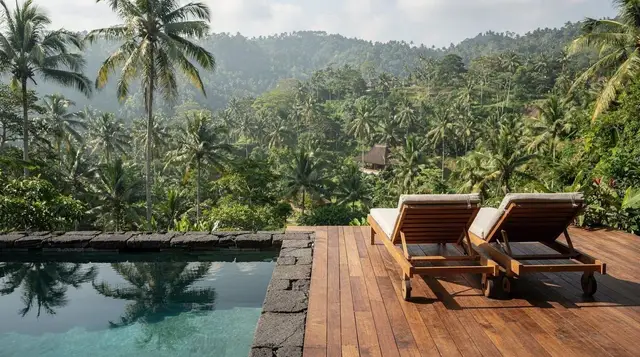
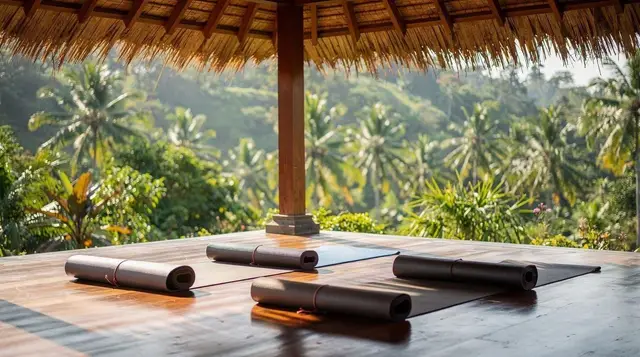
These are our own photographs of Bali, not the operator's pictures of this tour — open the tour page to see those.