Ubud built its reputation as Bali’s cultural and spiritual centre long before international attention turned it into one of the island’s busiest towns in its own right. Rice terraces, traditional dance, art markets, and a concentration of temples and healers gave it a genuinely different character from the beach towns further south, and that reputation is still largely deserved — it’s just no longer the sleepy version people sometimes expect from older accounts of the place.
The central streets today, around the Monkey Forest road and main market, carry traffic and crowding that would surprise anyone picturing a quiet jungle town. Cafes, yoga studios, and boutiques now line roads that were rice paddies within living memory, and getting from one side of the centre to the other during the day can take longer than the map distance suggests. This isn’t a reason to skip Ubud — it’s a reason to plan around it rather than being caught off guard by it. Visiting with that expectation set from the start, rather than the romanticised version some older trip reports describe, makes the whole stay noticeably less frustrating.
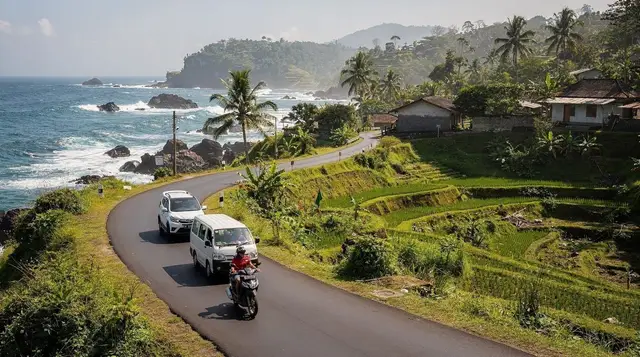
Move a short distance beyond the central few streets, though, and the quieter Ubud is still genuinely there: rice terraces on the outskirts, smaller villages nearby, and a wellness and yoga scene that remains one of the most developed anywhere in Southeast Asia. This guide covers both sides honestly, since conflating them is where a lot of visitors end up disappointed.
Ubud at a glance
| Where | Central Bali, inland from the south coast resorts, roughly an hour or more from the airport depending on traffic |
| Cost | Mid-range overall; yoga classes, spa treatments, and tours priced separately from accommodation |
| Time needed | A couple of days for the main sights, longer for a wellness-focused stay |
| Access | Private driver, Grab/Gojek (with some pickup restrictions in the centre), or organised tour |
| Best time | Year-round; dry season gives easier walking conditions at the rice terraces |
The Monkey Forest and the central crowds
The Sacred Monkey Forest Sanctuary is Ubud’s best-known single attraction, a forested temple complex home to a resident population of long-tailed macaques that most visitors come specifically to see. It’s a genuine sanctuary with real conservation and temple significance behind it, not purely a tourist photo op, though the monkeys themselves are habituated enough to tourists to be opportunistic about anything left visible or loose.
Yoga, wellness, and the reputation that built the town
Ubud’s yoga and wellness scene predates its current tourist boom by decades and remains one of its most genuine draws, with studios ranging from single drop-in classes to multi-week retreat programmes. It’s a reasonable place to try yoga for the first time or deepen an existing practice, given the sheer density of teachers and studios concentrated in a small area compared with almost anywhere else in the region.
Traditional healing and spa culture sit alongside the yoga scene, drawing partly on Bali’s own Balinese massage traditions and partly on the wider wellness tourism the town has attracted. Treatments range from a straightforward hour-long massage to multi-day retreat programmes built around a specific practice, and the sheer range on offer means it’s worth deciding in advance roughly what kind of experience you want rather than picking blind from a street of near-identical spa signs. A private Ubud tour including a jungle swing is a common way to combine the town’s natural surroundings with one of its more photographed activities in a single organised day.
Rice terraces just outside the centre
The rice terraces immediately around Ubud — most famously Tegalalang, a short drive north — are one of the clearest reasons to base here rather than just pass through. Walking the terrace paths, especially early before the heat and crowds build, gives a direct look at the subak irrigation system that’s shaped Balinese agriculture for centuries, layered with photogenic tiered paddies climbing the hillside.
A six-hour car charter for an Ubud day tour is a flexible way to string together several of these outlying sights — rice terraces, temples, waterfalls — without committing to a fixed group itinerary, while an all-inclusive private Ubud day tour handles the planning for you if you’d rather not sequence the stops yourself.
Ubud versus Canggu for a longer stay
| Ubud | Canggu | |
|---|---|---|
| Setting | Inland, surrounded by rice terraces and jungle | Coastal, beach and surf focused |
| Atmosphere | Wellness, culture, art | Cafe culture, digital nomad scene |
| Pace | Slower outside the centre, busy within it | Busy, especially peak hours |
| Best for | Yoga, culture, rice terrace walks | Surfing, beach clubs, co-working |
Neither town is a substitute for the other, and plenty of longer trips split time between both rather than choosing one. Ubud gives the inland, cultural, wellness-focused side of Bali; Canggu gives the coastal, cafe-and-surf version. The comparison matters mainly for travellers with limited time trying to decide where to weight their days. For a two- or three-week trip, splitting time roughly evenly between the two is a common and sensible way to cover both sides of what Bali offers without feeling like either stay was rushed.
Art, craft, and hands-on classes
Ubud’s reputation as an artistic centre goes back well before mass tourism, and it remains one of the better places on the island to try a hands-on craft class rather than just browse a market stall. A batik-making class in Ubud is a genuinely engaging way to spend an afternoon and comes away with something you actually made rather than bought.
For something more active than crafts, the Ubud zipline and Angel Garden tour with lunch pairs an adventure activity with one of the town’s more elaborate garden settings, while a two-day Bali escape combining Ubud and Nusa Penida works well if you want to pair Ubud’s inland culture with a very different island landscape in the same trip.
Ubud as a base for remote work
A meaningful digital nomad presence has grown up in Ubud alongside its wellness scene, drawn by a combination of co-working spaces, reliable cafe wifi, and the slower pace available a short distance from the busiest streets. It’s a different crowd from Canggu’s more beach-and-nightlife-oriented nomad scene, generally skewing toward longer stays and a stronger overlap with the yoga and wellness community. For anyone weighing where to base a longer remote-work stint in Bali, Ubud’s appeal is the inland, quieter alternative to Canggu’s coastal energy.
Traditional dance performances
Beyond the daytime sights, Ubud hosts regular evening performances of traditional Balinese dance, staged at venues including the royal palace and various temple courtyards around town. These cover a range of classical forms and are one of the more accessible ways to see genuine Balinese performing arts without travelling to a specific temple festival, since they run on a predictable evening schedule aimed partly at visitors while still drawing on serious local performing traditions.
What isn’t worth the detour
Skip trying to see the Monkey Forest, the main market, and every rice terrace on a single rushed day trip from south Bali — the drive alone eats a meaningful chunk of the day, and cramming the sights in leaves no time to experience the slower version of Ubud that’s actually worth the trip. It’s also not worth booking accommodation right in the busiest central streets if quiet is the priority; a short distance out, toward the surrounding rice paddies, gives a genuinely different, calmer stay for a similar price bracket.
Is Ubud still the town its reputation describes?
What it costs
Ubud sits in a mid-range bracket overall, with plenty of room at both ends — budget guesthouses on the outskirts and high-end wellness resorts closer in. Yoga classes, spa treatments, and craft workshops are priced separately from accommodation and add up if you’re doing several across a stay, so budgeting for activities as a distinct line item makes sense here more than in a beach town where the beach itself is free. Car charters and organised day tours cost more than a single Grab ride but save meaningful time stringing together outlying sights.
When to go
Ubud works reasonably well year-round, unlike some of Bali’s more weather-dependent destinations. Dry season, roughly April to October, gives easier walking conditions at the rice terraces and generally clearer photos, while the wet season from November to March still allows for most activities, with rain arriving as shorter, heavier bursts rather than all-day washouts. The main variable to plan around isn’t really weather so much as crowding — early mornings consistently mean quieter terraces and a calmer Monkey Forest visit regardless of season.
Getting there and getting around
Ubud sits inland, a genuinely longer drive from the airport than any of the south Bali beach towns, with the trip taking longer still if traffic through the southern resort areas is heavy. Grab and Gojek pickups face some restrictions in the central streets due to local transport arrangements, which is worth knowing before assuming an app-based ride will be as seamless here as in Kuta or Canggu. A private driver or car charter for the day is the more reliable option for reaching the outlying rice terraces and villages without navigating those restrictions repeatedly.
How this fits into a longer trip
Ubud pairs naturally with a day at Tegalalang for the rice terraces, and with Kintamani or Mount Batur for travellers extending into the central highlands. It also works as a base for reaching Sidemen or the wider east Bali region without the longer backtrack from the south coast. Read the Ubud day trip from south Bali guide if you’re deciding whether to stay overnight or visit as a day trip, and the Ubud vs Canggu comparison for a fuller breakdown of how the two towns differ.
For a wellness-focused stay, the yoga in Ubud guide and the Bali yoga and wellness, 7 days itinerary both build specifically around the town’s strengths. The campuhan ridge walk guide and the is the Bali swing worth it guide cover two of Ubud’s other well-known activities in more depth than fits here.
Frequently asked questions about Ubud
Is Ubud too crowded to be worth visiting now?
The central streets are genuinely busy, closer to a small city than a jungle village, but the surrounding rice terraces, villages, and wellness scene still deliver on Ubud’s original reputation. Staying a short distance out of the absolute centre makes a real difference.
How many days should I spend in Ubud?
A couple of days covers the main sights reasonably well — Monkey Forest, a rice terrace, and some craft or wellness activities. A longer stay suits anyone prioritising yoga, spa treatments, or a slower pace over ticking off sights.
Is Ubud good for a first-time visitor to Bali?
Yes, it’s one of the more commonly recommended stops for exactly that reason, offering a different, more inland and cultural side of the island compared with the south coast beach towns.
Can I get around Ubud with Grab or Gojek?
With some restrictions in the central streets, tied to local transport arrangements. It works better on the outskirts, while a private driver is more reliable for reaching outlying rice terraces and villages.
Is the Monkey Forest safe to visit?
Generally yes, as long as you follow the basic precautions around food and loose belongings. The macaques are habituated to visitors and can be opportunistic, but incidents are mostly avoidable with sensible behaviour.
What’s the best time of day to see the rice terraces?
Early morning, both for the light and for avoiding the bulk of the tour-bus crowds that build through the late morning and midday at the more famous terraces.
Is Ubud walkable, or do I need transport for everything?
The very centre is walkable, but most of the appealing rice terraces, waterfalls, and villages sit outside comfortable walking distance and require a scooter, driver, or organised tour to reach properly.
Is Ubud a good base for remote work?
Yes, it has a genuine and long-established digital nomad presence, with co-working spaces and reliable cafe wifi, though it leans quieter and more wellness-oriented than Canggu’s more social, beach-adjacent nomad scene.
How does Ubud compare to Sidemen or other quieter rice-terrace towns?
Ubud offers far more infrastructure — cafes, yoga studios, tours, nightlife — packed into a small area, while somewhere like Sidemen trades that convenience for a genuinely quieter, less developed rice-terrace setting with fewer facilities. Travellers who found Ubud’s centre too busy often prefer Sidemen for a slower few days afterward.
Do I need to book traditional dance performances in advance?
It’s worth checking ahead, particularly at the more established venues, since seating is limited and popular performances can fill up during high season. Tickets are generally available on the day too, but arriving early gives more choice of seating.