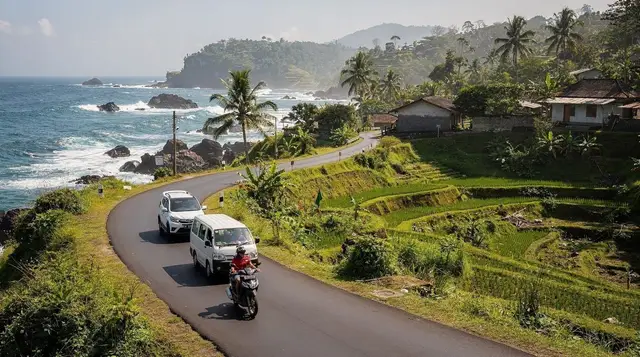
West Bali National Park, often referred to locally as Bali Barat, is the island’s only national park, covering a substantial stretch of the northwest tip including dry savanna, monsoon forest, mangrove coastline, and the marine area around Menjangan Island. It is a genuinely different kind of destination from almost everywhere else on typical Bali itineraries — no temples, no rice terraces, no beach clubs, just protected habitat and the wildlife it supports, explored with a licensed park guide rather than on a self-directed walk.
The park’s best-known resident is the Bali starling, a critically endangered bird found nowhere else in the wild and the subject of a long-running conservation and captive-breeding program based partly within the park. Spotting one in the wild is a genuine highlight for birders, though far from guaranteed given how rare the species remains despite conservation efforts; the park’s broader birdlife, including a wide range of more commonly sighted species, is reliably rewarding regardless of whether a starling sighting comes through.
Beyond birding, the park supports a mix of dry-country wildlife adapted to West Bali’s notably drier climate compared with the lush centre and east of the island — a product of the rain shadow cast by Bali’s central mountains. Deer, wild boar, and a range of smaller mammals inhabit the savanna and forest areas, best seen on an early morning guided walk or safari-style drive when animals are most active before the day’s heat sets in.
West Bali National Park at a glance
| Where | Northwest tip of Bali, adjoining Gilimanuk and the ferry crossing to Java |
| Cost | Park entrance fee plus mandatory licensed guide fee for treks; safari-style drives and birding tours priced separately |
| Time needed | Half a day for a standard trek or safari drive; longer if combined with Menjangan Island diving or snorkelling |
| Access | Self-drive scooter or private driver from South Bali, Lovina, or Pemuteran; a long but manageable drive |
| Best time | Dry season for trekking comfort; early morning year-round for the best wildlife and birding activity |
Birding: the park’s signature draw
For dedicated birders, West Bali National Park is one of the most rewarding stops on the island, home to a genuinely wide range of species across its varied habitats, from mangrove-associated waders to forest and savanna birds. The birding tour in West Bali National Park pairs visitors with a guide specifically experienced in bird identification and known viewing spots, considerably more useful than a general wildlife guide if birds are your specific focus. Early morning starts are standard practice here, since bird activity drops off noticeably as temperatures rise later in the day.
Guided treks and safari-style drives
Standard park treks follow set trails through savanna and monsoon forest habitat, led by licensed park guides who know the terrain and current wildlife activity. The guided trek with hotel pickup is a straightforward option covering transport and the trek itself, while the West Bali National Park safari tour offers a vehicle-based alternative for travellers who want to cover more ground with less walking, useful for those with limited mobility or simply less interest in a multi-hour hike in the heat.
For a more physically active option, the jungle trekking option pushes further into the park’s forested sections, a genuinely different environment from the drier savanna areas closer to the main entrance.
Combining with Menjangan Island
Because the park’s boundaries include the marine area around Menjangan Island, many visitors combine a mainland trek or safari with a boat trip to the island’s reef, making for a full day covering both land and water habitats within the same protected area. This pairing is one of the more efficient ways to see two genuinely different sides of West Bali’s ecology in a single, well-organised outing, and most Pemuteran-based operators can arrange both legs together.
The Bali starling conservation story
The Bali starling’s decline to critically endangered status was driven largely by illegal capture for the caged-bird trade, and the species came close to disappearing entirely from the wild before captive-breeding and release programs, some based within this park, began rebuilding a wild population. It remains one of the rarest birds in the world, and the ongoing conservation effort here represents one of the more significant, if lower-profile, wildlife recovery stories in Indonesia. Guides working within the park are often well informed about the programme’s current status and can explain the specifics in more depth than any signage on site, another reason a knowledgeable guide adds real value beyond the legal requirement.
Mangroves and the park’s coastal fringe
Alongside the drier savanna and forest habitats most associated with the park, a fringe of mangrove forest lines parts of the coastline, supporting a distinct set of species from waders and kingfishers to the juvenile fish and crustaceans that use mangrove root systems as nursery habitat. Some tours specifically include a boat or walking route through these coastal sections, a useful complement to the inland savanna trek if you want a fuller sense of the park’s habitat diversity rather than seeing only one type of landscape.
Gilimanuk and the park’s western edge
The park’s western boundary runs close to Gilimanuk and the ferry terminal serving crossings to Java, which is part of why West Bali National Park often gets folded into travel plans that also include an overland trip to Ijen crater or other East Java destinations. If Java is on your route, timing a park visit either just before or after the ferry crossing avoids a separate dedicated trip to this corner of Bali, making efficient use of the long drive out to the island’s northwest tip.
What isn’t worth the detour
Skip expecting a zoo-like guarantee of close wildlife encounters — this is a genuine wild habitat, not an enclosed park, and sightings depend on timing, season, and a degree of luck rather than certainty. Also skip a rushed midday visit if wildlife viewing is your priority; by late morning, animal activity drops significantly in the heat, and you will see considerably less than an early start would deliver.
Comparing the trek to a safari-style drive
Choosing between a walking trek and a vehicle-based safari drive comes down largely to fitness, time, and how much ground you want to cover. Walking gets you closer to smaller wildlife and birdlife, moving quietly enough to avoid startling more skittish species, while a vehicle covers considerably more territory in the same amount of time and suits travellers less comfortable with a multi-hour hike in savanna heat. Neither is objectively superior — serious birders tend to prefer walking treks for the closer, quieter access, while families or travellers with more general wildlife interest often find the safari-style option a more comfortable fit.
What it costs
Expect a park entrance fee plus a mandatory guide fee for any trekking activity, generally bundled into the price of an organised tour rather than paid separately at a gate. Safari-style drives and specialised birding tours cost more than a standard walking trek, reflecting the vehicle and specialist guide involved, but remain reasonable relative to similar wildlife experiences elsewhere in Southeast Asia.
When to go
Dry season, roughly April through October, offers easier underfoot conditions on the savanna trails and generally more predictable weather for a full day outdoors. Regardless of season, early morning is consistently the best window for wildlife and bird activity, before the heat of the day sets in and animals retreat to shade.
Rain shadow climate and why West Bali looks different
West Bali’s markedly drier climate compared with the island’s centre and east comes down to a rain shadow effect cast by Bali’s central volcanic mountains, which block much of the moisture-laden weather systems before they reach this corner of the island. The result is a landscape of savanna grassland and dry monsoon forest rather than the dense, wet jungle most visitors expect from Bali, a genuine ecological contrast worth understanding before you arrive, since it shapes everything from the wildlife present to how the trekking trails actually feel underfoot at different times of year.
Getting there and getting around
The park sits at Bali’s northwest tip, adjoining Gilimanuk and the ferry crossing to Java, making it a long drive from South Bali — most visitors base themselves in Pemuteran or Lovina rather than attempting it as a single very long day trip from Kuta or Ubud. Self-drive scooter or private driver are the practical access options; there is no public transport serving the park entrance directly.
How West Bali National Park fits into a longer trip
The park pairs naturally with a stay in Pemuteran or a visit to Menjangan Island, and works as a nature-focused stop before or after crossing to Java via Gilimanuk. Use the North and West Bali, 4 days itinerary to sequence it alongside Lovina and Sekumpul, and read the bali jungle trekking guide for how the park’s trails compare with hiking elsewhere on the island.
Frequently asked questions about West Bali National Park (Bali Barat)
Can I visit West Bali National Park without a guide?
No — a licensed park guide is required for trekking trails, both for safety and because independent access to the protected areas is not permitted.
How likely am I to see a Bali starling?
Sightings happen but are genuinely uncertain given how rare the species remains in the wild; go with realistic expectations and treat the park’s broader birdlife and wildlife as the main reward.
Is the park suitable for young children?
The safari-style drive option is more manageable for families with young children than the longer walking treks, which require reasonable fitness and stamina in the heat.
How does West Bali National Park compare to safari parks in South Bali?
It’s a genuine wild, protected habitat rather than an enclosed wildlife park, so expect a different kind of experience — less guaranteed animal viewing, but a considerably more authentic sense of place.
What wildlife besides birds might I see?
Deer, wild boar, and various smaller mammals inhabit the park’s savanna and forest areas, along with reptiles and a wide range of insect life across its different habitats.
Is it worth visiting if I am not specifically a birder?
Yes — the varied landscape, guided trek experience, and general wildlife spotting have appeal beyond dedicated birders, particularly combined with a Menjangan Island boat trip for a fuller day.
How long does a standard trek in the park take?
A half day is typical for a standard guided trek covering the main savanna and forest trails, though longer options exist for travellers wanting to cover more ground or focus specifically on birding across a wider area.
Is there accommodation inside the park itself?
Limited options exist near the park boundaries, though most visitors base themselves in nearby Pemuteran or Lovina and visit the park as a day trip rather than staying within its boundaries.
What should I pack for a park visit?
Sun protection, insect repellent, sturdy closed shoes for savanna and forest terrain, binoculars if birding is a priority, and more water than you think you will need given the limited shade on open sections of trail.