Mount Batur's Natural Hot Springs: Worth the Soak?
Are the hot springs near Mount Batur worth visiting?
Yes, particularly as a post-trek stop after climbing Batur — sinking into warm, mineral-rich water with a lakeside view after a pre-dawn hike and descent is a genuinely welcome reward. As a standalone attraction without the trek beforehand, they're pleasant but not essential; the setting and the context of a tired body make the experience considerably better than the springs alone would justify.
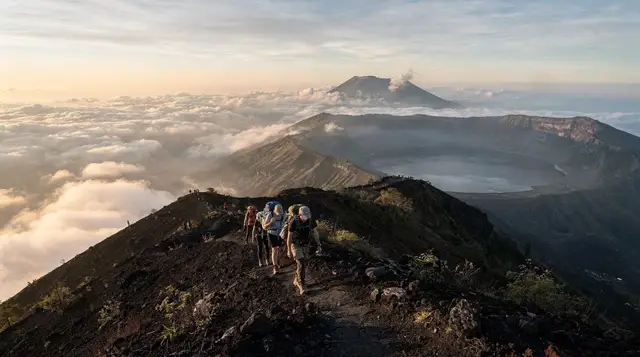
The natural hot springs around Lake Batur draw their heat from the same volcanic activity that makes Mount Batur an active volcano, and they’ve become one of the most common ways to round out a sunrise trek — sinking into warm water with a lakeside or crater view after hours of pre-dawn climbing and a genuinely tiring descent. Whether they’re worth a visit on their own merits, separate from a trek, is a fair question, and the honest answer is that context matters a lot here: tired legs and the psychological reward of finishing a hard climb do a lot of the work in making these springs feel special.
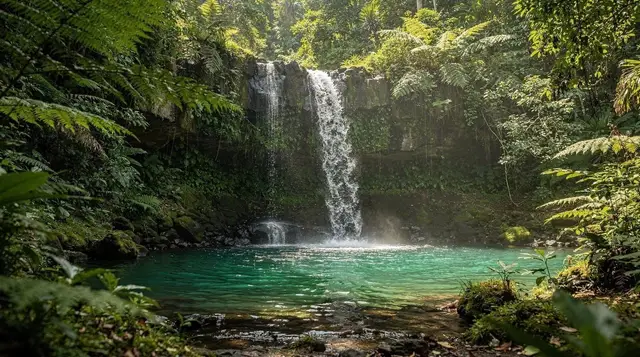
That’s not a knock on the springs themselves. The mineral-rich, naturally heated water genuinely feels good, and several of the pools around the lake take advantage of striking views across the water toward the volcano’s slopes, which is a setting few standard hot spring facilities elsewhere can match. It’s simply worth knowing that as a completely standalone destination, without a trek beforehand, they’re a pleasant but not extraordinary stop — the real value is in the combination of activity and recovery, not the springs in isolation.
Facilities vary between the different hot spring sites around the lake, from simpler natural pools with minimal infrastructure to more developed facilities with changing rooms, lockers, and food service. Choosing the right one for your priorities — proximity to the trek’s end point, view quality, or facility level — makes a meaningful difference to how the stop actually feels.
Batur hot springs at a glance
| Where | Around Lake Batur, in the Kintamani area, central Bali |
| Cost | Entrance fee at each facility; more developed sites charge more than simpler natural pools |
| Time needed | An hour or two, longer if you want to properly relax rather than just pass through |
| Access | A short drive from the Batur trek trailhead area; combined into most trek tour packages |
| Best time | Late morning to early afternoon, right after a sunrise trek |
Why the post-trek timing matters
The hot springs make the most sense sequenced directly after a Batur sunrise trek, both logistically and physically. A Mount Batur sunrise jeep tour over black lava terrain, combined with hot springs builds this sequencing directly into a single package, taking you from the summit to the springs without needing to arrange separate transport. Attempting the springs as a completely separate outing, without the trek beforehand, still works but loses some of what makes the experience feel worthwhile to most visitors — the contrast between a demanding early morning and a genuinely restorative soak afterward.
Comparing the different hot spring sites
Several distinct hot spring facilities operate around Lake Batur, each with a different balance of natural setting versus developed infrastructure. Some are essentially natural pools with minimal building around them, offering a more rustic experience closer to the lake’s edge, while others have invested in proper pools, changing facilities, and food service, trading some of the natural character for comfort and convenience. Neither approach is objectively better — it depends on whether you’re after an authentic, simple soak or a more comfortable, amenity-rich stop after a demanding morning.
Alternative ways to reach the springs
Beyond the standard trek-plus-hot-springs sequence, a few operators offer alternative ways to combine the volcano and the springs. A guided motorcycle tour around Mount Batur combined with a hot springs visit replaces the standard jeep or trek format with a motorbike route, appealing to visitors who want a different pace and perspective on the same general area.
For those wanting more adrenaline in the mix, a quad bike tour around Mount Batur combined with the natural hot springs covers similar terrain from an ATV rather than on foot, useful for visitors who’d rather not commit to the full sunrise trek but still want to experience the area and finish with a soak.
The 4WD jeep sunset alternative
Not every hot springs visit needs to follow a pre-dawn trek. Several operators offer an afternoon or evening alternative, driving 4WD jeeps across Batur’s black lava fields — a genuinely dramatic, otherworldly landscape from a past eruption — before finishing at the hot springs for sunset rather than mid-morning. A day or sunset Mount Batur 4WD jeep tour combined with the natural hot springs is worth considering if the very early sunrise start doesn’t appeal, or if you’ve already done the sunrise trek on a previous visit and want a different way to experience the same general area at a more civilised hour.
This format also suits visitors travelling with anyone unable to manage the physical demands of the trek itself, since the black lava field crossing happens by vehicle rather than on foot, while still delivering a genuinely striking landscape and the same rewarding soak at the end.
The mineral content and what it’s supposed to do
Like many volcanic hot springs around the world, Batur’s water carries a mineral content that’s often marketed as having therapeutic benefits for skin and muscle recovery, drawing on sulphur and other minerals dissolved from the surrounding volcanic rock. Whether you put much stock in the specific health claims or simply enjoy warm water after a hard climb, the sensory experience itself — genuinely warm, slightly mineral-scented water against tired muscles — delivers real, immediate comfort regardless of how seriously you take the broader wellness marketing around it.
Some visitors extend their stay at the springs specifically to soak longer for this reason, treating it less as a quick stop and more as a deliberate recovery period built into the day, which is a reasonable way to approach it if your schedule allows the extra time.
What isn’t worth the detour
Skip visiting the hot springs as a rushed, five-minute stop purely to tick the box on a tour itinerary — the whole value of the experience comes from actually relaxing in the water for a reasonable stretch of time, and treating it as a quick photo opportunity misses the point entirely. It’s also not worth choosing the cheapest, most basic facility purely on price if a better view or more comfortable setup is available nearby for a modest additional cost; given how much the setting contributes to the overall experience, a slightly higher-quality site is usually worth the difference.
What to bring
Swimwear and a towel are the essentials, since not every facility rents these and it’s safer to assume you’ll need your own. A change of clothes is worth carrying for after the soak, along with a plastic bag for wet items given how much walking or driving may follow before you’re back at your accommodation. Flip-flops are genuinely useful for moving between the pool area and changing facilities, since bare feet on hot stone or concrete surrounding some pools can be uncomfortable in direct sun.
Given that this stop typically follows an early, tiring trek, it’s also worth having a proper meal or snack either before or after the springs, since a long soak on an empty stomach after hours of physical exertion isn’t the most comfortable combination, even if the water itself feels genuinely restorative.
What it costs
Entrance fees vary by facility, with simpler natural pools generally costing less than more developed sites with changing rooms and food service. Many trek tours bundle the hot springs stop into the overall package price, which is often the most convenient and reasonably priced way to include it rather than arranging entry independently after your trek concludes. Towel and locker rental, where offered, typically cost extra at facilities that don’t include them as standard.
Managing expectations around crowds and shared pools
Because so many trek tours funnel their groups toward the springs at roughly the same time each morning, it’s worth setting expectations around a shared, sometimes busy pool experience rather than a private, secluded soak. This isn’t unique to Batur’s springs — most popular hot spring destinations worldwide face the same trade-off between accessibility and crowding — but knowing it in advance helps avoid disappointment if you were picturing something closer to a solitary wellness retreat.
Choosing a less standard visiting time, where your tour schedule allows it, or a slightly less famous facility among the several available around the lake, are both reasonable ways to reduce this effect if a quieter soak matters more to you than convenience.
When to go
Late morning to early afternoon, right after a sunrise trek concludes, is the natural timing for most visitors and lines up with when the trek-plus-springs combination tours are structured to run. Outside of a trek context, the springs are pleasant to visit at various times of day, though the lakeside and volcano views are naturally better appreciated in daylight rather than after dark.
Getting there and getting around
The hot springs sit a short drive from the main Batur trek trailhead area, and almost every trek tour that includes a springs stop handles this transport as part of the package. If you’re visiting the springs independently without a trek, a scooter, Grab, or private driver from wherever you’re based in the Kintamani or wider central Bali area will get you there without difficulty.
How this fits into a longer trip
The hot springs pair naturally with the Mount Batur sunrise trek guide, and the wider Kintamani area offers other things to see on the same day via the Kintamani viewpoints guide. For those weighing Batur against Bali’s other volcano treks, the Mount Agung trek guide and the Batur vs Agung vs Rinjani comparison are worth reading.
Anyone planning the early trek that typically precedes a hot springs stop should also check the what to pack for a volcano trek guide for how to prepare for both the cold summit and the warm soak that follows it in the same morning.
Frequently asked questions about Mount Batur’s Natural Hot Springs
Are the Batur hot springs worth visiting without doing the trek first?
They’re pleasant on their own, but most visitors find the experience considerably more rewarding when it follows a demanding trek. As a completely standalone stop, they’re a nice but not essential Bali attraction.
Do I need to bring my own swimwear and towel?
Yes, unless your specific tour or the facility you’re visiting explicitly offers rental. It’s safer to bring your own rather than assume these are provided.
How hot is the water, and is it safe for everyone?
The water is warm to hot depending on the specific pool and its distance from the source, generally comfortable for most people but worth easing into gradually. Anyone with heart conditions or similar health concerns should exercise the same caution they would with any hot water immersion.
Which hot spring site has the best view?
This varies by personal preference, but several sites specifically market lakeside or volcano-facing views as their main draw, generally at a slightly higher entrance fee than more basic facilities further from the water’s edge.
Can I visit the hot springs without doing a Mount Batur trek tour?
Yes, they’re open to independent visitors without requiring you to have trekked that morning, though most people visiting without a trek beforehand find the experience good but not quite as memorable as the post-trek version.
How long should I budget for the hot springs stop?
At least an hour to properly relax and make the stop worthwhile, though many trek tours build in a similar amount of time as part of the standard itinerary before returning you to your accommodation.
Is it crowded at the hot springs after a Batur sunrise trek?
It can be, particularly during peak season when a large number of trek groups finish around a similar time and head to the springs together. Facilities with more space or a less standard trek-sequencing time tend to feel less crowded.
Volcano & sunrise trekking on GetYourGuide
Verified deep-linked GetYourGuide tours. Book through these links and we earn a small commission at no cost to you.
These are our own photographs of Bali, not the operator's pictures of this tour — open the tour page to see those.