Mount Agung Trek: Bali's Highest, Hardest Sunrise Hike
Is the Mount Agung trek harder than Mount Batur, and should beginners attempt it?
Yes, considerably harder. Agung is Bali's tallest peak, with a longer, steeper climb, real technical sections near the summit, and a genuinely demanding pre-dawn ascent. It's not a good first-time volcano trek for anyone without hiking experience — Batur is the better beginner choice. Agung suits fit, experienced trekkers who want a harder, more rewarding climb and understand the trek can be closed entirely during religious ceremonies or volcanic activity.
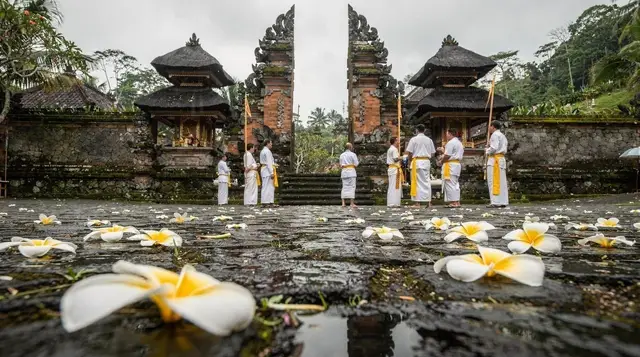
Mount Agung is Bali’s highest point and, in Balinese Hindu cosmology, its most sacred — the mountain is considered the spiritual centre of the island, and Besakih, the Mother Temple, sits on its lower slopes for exactly that reason. A trek to the summit is genuinely different from the more commonly attempted Mount Batur sunrise hike: longer, steeper, and considerably more demanding, with sections near the top that require scrambling over rock and exposed terrain rather than a straightforward walking path. This is not a casual add-on to a Bali itinerary; it’s a serious trek that deserves real physical preparation and honest self-assessment before you commit.
It’s also a trek that can be entirely off-limits at short notice. Because Agung’s slopes host religious ceremonies of real significance in Balinese Hinduism, the trek is periodically closed around major ceremonial dates, and separately, the mountain has experienced genuine volcanic activity in recent years that has led to extended closures for safety reasons. Anyone planning an Agung trek should build in flexibility and check current access status close to their travel dates rather than assuming the trek will automatically be available.
For those who do complete it, the reward matches the effort: a summit view that takes in Bali’s full profile against the sea, Lombok’s Mount Rinjani visible across the strait on a clear day, and a genuine sense of accomplishment that Batur’s shorter, more crowded climb doesn’t quite deliver in the same way.
Mount Agung trek at a glance
| Where | East Bali, starting from villages on the mountain’s slopes, commonly via Pasar Agung or Besakih routes |
| Cost | Guide fee is mandatory; typically bundled with transport in an organised tour |
| Time needed | A very long day — starting around midnight for a sunrise summit, finishing by mid-morning |
| Access | Private transport to the trailhead; the trek itself is on foot with a required local guide |
| Best time | Dry season (April–October); always check current closure status before booking, given both ceremonial and volcanic access restrictions |
Why this trek is significantly harder than Batur
Agung stands considerably taller than Batur, and the difference in difficulty isn’t proportional to that height gap alone — the terrain itself is steeper and rougher, with the final stretch to the summit involving real scrambling over loose volcanic rock rather than a maintained path. The full round trip takes many hours longer than Batur’s more manageable climb, and the physical toll of a sustained pre-dawn ascent followed by a long, knee-jarring descent catches out visitors who assume “volcano sunrise trek” means roughly the same experience regardless of which mountain they choose.
Route options: Pasar Agung vs Besakih
Two main routes lead to Agung’s summit, starting from different points on the mountain’s slopes. The Pasar Agung route, starting from a temple on the southern slope, is generally considered the shorter and somewhat less demanding of the two, though still a serious climb by any normal standard.
The Besakih route, starting near Bali’s largest temple complex, is longer and more strenuous but carries additional cultural significance given its direct connection to the Mother Temple. A summit trek to Agung’s 3,142-metre peak via the Edelweiss trail follows one of these established routes with a mandatory local guide, which is how virtually every visitor attempts this climb.
What the summit push actually involves
The final stretch to Agung’s summit is where the trek’s reputation for difficulty is earned — loose volcanic rock, sections requiring hands-and-feet scrambling, and real exposure in places that demands sustained concentration, particularly in the dark with only headlamps for visibility. A guide leading this section is not optional; the route isn’t signed, and the terrain genuinely requires someone with current, specific knowledge of the safest line to take, especially given how conditions can shift after rain or with rockfall.
Comparing Agung to Batur
| Mount Agung | Mount Batur | |
|---|---|---|
| Height | Bali’s highest peak | Considerably lower |
| Difficulty | High, with real scrambling near the summit | Moderate, steady incline |
| Trek duration | Much longer, a full demanding day | Shorter, more manageable |
| Suitable for | Fit, experienced trekkers | Most reasonably fit beginners |
| Closure risk | Higher, given ceremonial and volcanic factors | Lower, though also subject to conditions |
Fitness preparation worth taking seriously
Given how much harder this trek is than Batur’s, it’s worth genuinely preparing rather than assuming general holiday fitness will carry you through. Regular cardio in the weeks before your trip, ideally including stair climbing or hill walking to build the specific muscles used in sustained ascent and descent, makes a real difference to how the climb feels. Multiple shorter practice hikes are more useful preparation than a single long one close to your trip, since consistency matters more than a single burst of training.
It’s also worth being honest with yourself about how you handle exertion at altitude and in the dark, since Agung’s summit push combines both factors in a way that catches out visitors who are fit in a gym sense but haven’t tested themselves on genuinely steep, technical outdoor terrain before. A guide can help pace a group, but ultimately your own preparation determines how much you enjoy versus endure the climb.
An operator with genuine experience matters
Given the terrain’s difficulty and the periodic access restrictions around ceremonies and volcanic activity, choosing an operator with a strong, current track record on Agung specifically — not just Bali volcano treks generally — is worth the research. An all-inclusive Mount Agung sunrise trekking tour that bundles transport, guide, and other logistics into a single booking reduces the coordination required on your end, but it’s still worth checking recent reviews specifically mentioning current trail conditions and guide quality, since these can shift meaningfully between seasons on a mountain this demanding.
What isn’t worth the detour
Skip attempting Agung as a spontaneous decision made after enjoying Batur’s easier climb — the jump in difficulty and duration between the two is significant enough that this isn’t a natural “next step” to attempt without proper preparation and rest beforehand. It’s also not worth pushing ahead with a booked trek if your guide advises against summiting on a given day due to weather, ceremonial restrictions, or volcanic activity; these calls are made for genuine safety reasons, not overcaution, and the mountain will still be there for a return attempt.
The spiritual weight of climbing Bali’s most sacred mountain
Beyond the physical challenge, it’s worth approaching Agung with awareness of what the mountain represents in Balinese Hindu belief. This isn’t simply the island’s tallest peak — it’s considered the axis of the Balinese cosmological world, the direction “kaja” (toward the mountain) orienting temple layouts and daily spatial thinking across the entire island.
Trekking it, particularly via the Besakih route past the Mother Temple itself, carries a weight that a purely recreational climb elsewhere wouldn’t. Guides often mention this context during the ascent, and approaching the climb with genuine respect for that significance, rather than treating it purely as an adrenaline achievement, tends to produce a more meaningful experience for visitors who take the time to understand it.
What it costs
A mandatory guide fee applies to any Agung trek, reflecting both the legal requirement for local guiding on this specific mountain and the genuine value a guide provides given the terrain’s difficulty. Most visitors book through an organised tour that bundles the guide fee with hotel pickup and, often, a breakfast at some point during the long day, such as a Mount Agung sunrise trek including a special breakfast. Given the trek’s demands, paying for a reputable, experienced operator rather than choosing purely on price is worth the extra cost here more than for an easier hike.
When to go
The dry season, roughly April to October, is the safer window for both trail conditions and general trek reliability, since wet-season rain makes the already loose, rocky summit terrain considerably more hazardous. Beyond seasonal weather, always check current access status close to your travel dates — Agung’s trek can close for stretches around major religious ceremonies tied to Besakih and the mountain’s spiritual significance, and separately for volcanic activity assessments, neither of which follows a predictable annual calendar.
Getting there and getting around
Reaching the trailhead requires transport to villages on Agung’s slopes, typically arranged as part of an organised tour given the pre-dawn start required for a sunrise summit. A Mount Agung sunrise trek with hotel pickup included removes the logistics of arranging your own transport at what is typically a midnight or earlier departure time, which matters given how few transport options operate independently at that hour. Once at the trailhead, the climb itself is entirely on foot with a mandatory local guide.
How this fits into a longer trip
A Mount Agung trek fits naturally alongside a broader East Bali stay, and pairs well with a visit to Besakih given the mountain’s direct spiritual connection to the temple complex on its slopes — the Besakih Mother Temple guide covers that pairing in more depth. For those weighing which volcano to trek, the Mount Batur sunrise trek guide and the Batur vs Agung vs Rinjani comparison are worth reading before deciding.
The East Bali, 4 days itinerary shows how a demanding early-morning trek like this fits alongside East Bali’s temples and waterfalls without overloading a single day. Anyone specifically preparing physically for this climb should also check the what to pack for a volcano trek guide before their trip.
Frequently asked questions about Mount Agung Trek
Is Mount Agung harder than Mount Batur?
Significantly, yes. Agung is taller, the trek is longer, and the terrain near the summit requires real scrambling over loose rock rather than a straightforward path. Batur is the more accessible choice for a first volcano trek in Bali.
Do I need previous trekking experience for Mount Agung?
It’s strongly recommended. This isn’t a suitable first serious hike — reasonable trekking fitness and comfort with steep, technical terrain in the dark make a genuine difference to both safety and enjoyment on this particular climb.
Why does the Mount Agung trek sometimes close?
Two main reasons: religious ceremonies tied to the mountain’s sacred status in Balinese Hinduism, particularly around Besakih temple, and periodic volcanic activity that triggers safety-based access restrictions. Neither follows a fixed annual schedule, so checking current status close to your trip is essential.
Is a guide legally required for Mount Agung?
Yes, local guiding is mandatory for this trek, both for safety given the terrain’s difficulty and as a matter of established local practice. Attempting it without a guide isn’t a realistic or advisable option.
How long does the full trek take?
Budget a very long day — departure is typically around midnight or earlier to reach the summit for sunrise, with the full round trip, including the descent, extending well into the morning. This is a considerably longer commitment than the Batur sunrise trek.
What should I pack for the summit?
Warm layers for the cold pre-dawn conditions at altitude, sturdy trekking shoes with real grip for the loose, rocky terrain, a headlamp, and enough water and snacks for a genuinely long physical effort spanning many hours.
Can beginners do the Pasar Agung route since it’s shorter?
Even the shorter Pasar Agung route remains a serious, demanding climb by ordinary standards, not a beginner-friendly shortcut. Reasonable trekking fitness is still required regardless of which established route you take.
Waterfall & hiking tours on GetYourGuide
Verified deep-linked GetYourGuide tours. Book through these links and we earn a small commission at no cost to you.
These are our own photographs of Bali, not the operator's pictures of this tour — open the tour page to see those.