Manta Point, Nusa Penida: Snorkelling and Diving Guide
Will I actually see manta rays at Manta Point, Nusa Penida?
Very likely, though not guaranteed. Manta rays use the cleaning stations off Nusa Penida's south-west coast year-round, and boat trips are built specifically around that reliability. Conditions can be choppy and the crossing takes real time, so it's a proper day trip rather than a quick add-on, but the sighting odds are genuinely among the best for manta encounters anywhere in Indonesia.
Manta Point sits off the south-west tip of Nusa Penida, a small cluster of rocky outcrops that create the current conditions manta rays use as natural cleaning stations. Smaller fish pick parasites off the mantas as they circle, and the rays return to the same spots reliably enough that boat operators have built an entire day-trip industry around near-guaranteed sightings. It is one of the more dependable wildlife encounters in Indonesian waters, which is why it has become one of the most-booked single activities on the island despite the crossing required to reach it.
What gets lost in the marketing is that this is a genuinely demanding day out, not a short boat hop. The crossing from Sanur or Padang Bai takes real time each way, sea conditions in the strait between Bali and Nusa Penida can be rough, and the site itself has current strong enough that snorkellers and divers both need to be reasonably comfortable in open water. None of that should put off a capable traveller, but it’s worth knowing before you book a trip expecting a calm lagoon experience.
This guide covers what the day actually involves, whether snorkelling or diving is the better call for you, and how the crossing and crowds affect the experience in practice.
Manta Point at a glance
| Where | South-west coast of Nusa Penida, reached by boat from mainland Bali or from elsewhere on Nusa Penida |
| Cost | Varies by operator and whether you book snorkelling, diving, or a combined multi-site day |
| Time needed | A full day once you include the crossing, boat time between sites, and the return journey |
| Access | Boat from Sanur or Padang Bai (crossing to Nusa Penida), or a shorter hop if already staying on the island |
| Best time | Year-round for mantas; morning departures generally see calmer water than afternoon |
Snorkelling vs diving at Manta Point
| Snorkelling | Diving | |
|---|---|---|
| Who it suits | Non-divers, families with older kids, anyone short on time or budget | Certified divers wanting a closer, longer encounter |
| What you see | Mantas from the surface, sometimes very close as they circle near cleaning stations | The same behaviour from underwater, often for longer stretches per manta pass |
| Physical demand | Moderate — open water swimming against some current | Higher — current awareness and buoyancy control matter more here than at a sheltered reef |
Both work well, and the choice mostly comes down to whether you dive already and how much of the day you want dedicated to the water versus the boat and crossing. A snorkelling-focused day such as the private snorkelling trip to Manta Point gives you a smaller group and more flexibility around timing than a large shared boat, which matters if seasickness or crowding at the site are concerns. A shared departure like the Manta Point snorkelling day trip is the more budget-friendly standard option and covers the same site.
The crossing is the real logistics problem
Almost every account of a bad Manta Point day traces back to the crossing rather than the manta encounter itself. Open fast-boat crossings between mainland Bali and Nusa Penida can be genuinely rough, especially outside the calmest morning window, and travellers prone to seasickness should plan accordingly — medication taken well before departure, a seat toward the centre of the boat, and realistic expectations about the ride rather than just the destination.
Multi-stop day trips that bundle Manta Point with other Nusa Penida sites, such as the Nusa Penida Manta Point and west coast boat tour, add more boat time but also spread the crossing cost across a fuller day.
What a manta encounter actually looks like
Mantas at the cleaning stations tend to circle in a fairly predictable pattern rather than darting away from boats and swimmers, which is part of why sightings are so reliable here compared with open-ocean manta encounters elsewhere. Snorkellers typically hang at the surface above the cleaning station while mantas pass beneath and around them; divers descend closer to the station itself and can watch the cleaning behaviour at closer range for longer. Group size at the site matters more than most people expect — a quiet morning slot with fewer boats gives mantas more room and, in practice, calmer, less crowded conditions for you as well.
A day trip like the Nusa Penida Manta Point snorkelling trip with a sacred cave stop pairs the manta encounter with an additional land-based stop on Nusa Penida, which is a reasonable way to make the long crossing feel more worthwhile if you’re only doing this trip once.
Manta Point vs the rest of Nusa Penida’s coastline
It’s worth being clear that Manta Point is one specific site among several well-known spots along Nusa Penida’s coast, and it is easy to confuse it with nearby names when reading trip reports or comparing tours. Kelingking Beach and Broken Beach are clifftop viewpoints reached by road and have nothing to do with the boat-based manta encounter, while other snorkelling stops around the island’s west coast, such as Crystal Bay, offer calmer, more sheltered water without the manta reliability of Manta Point itself.
A trip such as the Manta Point snorkelling trip with a Nusa Penida land tour is explicit about combining both halves of the island in one booking, which is the clearest way to avoid the confusion if you want to see the clifftop scenery as well as the mantas.
Photography and etiquette around mantas
Manta rays at cleaning stations are used to boat traffic and snorkellers, but that doesn’t mean anything goes. Reputable operators brief guests before entering the water: keep a reasonable distance, never chase or touch a manta, and let it approach the cleaning station on its own terms rather than crowding the area with too many swimmers at once.
This matters practically as well as ethically — mantas that feel harassed are more likely to move off to a different cleaning station further along the coast, which is bad for the animal and for everyone else’s chances that day. If underwater photography matters to you, a wide-angle lens or action camera works far better here than a phone in a waterproof case, since the encounters happen at a scale and distance that phone cameras struggle to capture well.
Combining Manta Point with Nusa Penida’s clifftop viewpoints
Most full-day Nusa Penida tours don’t stop at Manta Point alone — they combine the boat-based manta encounter with a land tour of the island’s well-known clifftop viewpoints, reached by road once the boat has landed. This is worth planning deliberately rather than assuming it’s automatically included, since some operators run manta-only trips while others build a longer combined day. If your main goal is the viewpoints rather than the manta encounter, a dedicated Nusa Penida day trip that treats the land tour as the priority may suit you better than a manta-first itinerary.
What isn’t worth the detour
Skip an afternoon departure if you have a choice — sea conditions in the strait tend to build through the day, and mantas are, if anything, more reliably encountered on calmer morning water. It’s also not worth trying to combine Manta Point with a full clifftop tour of Nusa Penida and a return to mainland Bali the same day unless your operator has genuinely planned the logistics for it; rushing between a boat-based activity and a driving tour on an island with limited, winding roads often means less time at each stop than the itinerary promises.
What it costs
Pricing depends on whether you book snorkelling or diving, a private or shared boat, and how many additional sites the day includes. A private snorkelling charter costs more per person than a large shared boat but buys flexibility on timing and group size, which matters more here than at a calmer, more sheltered site given the crossing conditions. Diving trips generally run higher than snorkelling-only trips given the additional equipment and instructor requirements. Whatever you book, confirm whether the crossing, lunch, and any additional Nusa Penida stops are included in the quoted price before comparing operators.
When to go
Manta rays use the Nusa Penida cleaning stations throughout the year, so there is no strict manta season the way there is for mola-mola further along the coast. What does shift seasonally is sea state: the dry season, roughly April to October, generally brings calmer crossing conditions than the wetter months from November to March, though conditions can vary day to day regardless of season. Within any given day, morning departures consistently offer calmer water and, anecdotally, better manta encounter odds than afternoon trips.
Getting there and getting around
Most Manta Point trips depart by boat from Sanur, on Bali’s south-east coast, or from Padang Bai further east, with the crossing itself taking a meaningful part of your day. If you’re already staying on Nusa Penida or nearby Nusa Lembongan, the boat transfer to Manta Point is considerably shorter, which is one reason some divers and snorkellers choose to base themselves on the islands for a few nights rather than day-tripping from the mainland. There is no way to reach Manta Point by road; it is boat-only, and self-arranging without an operator is not realistic for most visitors given the site’s location and current conditions.
How this fits into a longer trip
Manta Point works well as one stop within a broader Nusa Islands visit rather than a single-purpose day trip, especially if the crossing is already accounted for. The 3-day Nusa Islands itinerary sequences Nusa Penida, Nusa Lembongan, and Nusa Ceningan together in a way that avoids doing the crossing more times than necessary. If you’re deciding between the two main islands for a base, the Nusa Penida vs Nusa Lembongan guide is worth reading first.
Divers who want to add wreck and reef diving to a manta encounter should look at the best diving in Bali guide for how Nusa Penida fits alongside Tulamben and Amed. For a more general take on whether the whole island is worth the crossing time, the Nusa Penida in one day, is it too much? post and the diving with mola-mola in Bali post both cover realistic expectations before you commit to a booking.
Frequently asked questions about Manta Point, Nusa Penida
Are manta ray sightings actually guaranteed at Manta Point?
No sighting can be guaranteed, but the cleaning stations here are used reliably enough by resident mantas that operators build trips specifically around the odds being strong. It remains a wild encounter, not a controlled attraction.
Do I need to be a strong swimmer to snorkel here?
You should be a confident open-water swimmer. Current at the site can be noticeable, and the crossing itself involves a proper boat journey rather than a short calm hop, so this isn’t the easiest first snorkelling experience for a nervous swimmer.
Is diving or snorkelling the better way to see the mantas?
Both work well. Diving generally allows a closer, longer encounter at the cleaning station itself; snorkelling is more accessible, doesn’t require certification, and still gives good views of mantas passing near the surface.
How rough is the boat crossing really?
It varies day to day and with the season, but it can be genuinely choppy, especially in the afternoon or during the wetter months. If you’re prone to seasickness, take precautions before boarding and consider a morning departure.
Can I combine Manta Point with the clifftop viewpoints on Nusa Penida in one day?
Some operators run combined trips, but check the itinerary carefully — a manta-only boat trip and a full clifftop land tour are genuinely different products, and cramming both into one day can mean rushing each.
Is there a specific season for mantas at Nusa Penida?
Not really — mantas use these cleaning stations year-round, unlike the more seasonal mola-mola sightings elsewhere in the strait. Sea conditions for the crossing shift more with season than the manta odds do.
Should I book a private or shared boat?
A shared boat is cheaper and perfectly workable for most travellers. A private charter costs more but gives flexibility on departure time, which matters if you specifically want the calmer early-morning window.
Is it worth doing if I’ve already snorkelled with marine life elsewhere in Bali?
If manta rays specifically are the draw, yes — this is one of the more reliable manta encounters in the region, distinct from general reef snorkelling elsewhere on the island.
What should I do if I get seasick on the way there?
Take precautions before boarding rather than after you start feeling unwell — motion sickness medication timed properly, a seat near the boat’s centre where movement is least pronounced, and avoiding a heavy meal immediately beforehand all help. If you know you’re prone to it, mention this to your operator when booking, since some can suggest calmer departure windows or steadier boat options.
Can children snorkel at Manta Point?
It depends more on swimming ability and comfort in open water with some current than on age specifically. Younger children who aren’t confident open-water swimmers may struggle here more than at a sheltered beach, so talk to the operator about the conditions expected on your date before booking for a family with young kids.
Best day trips from Bali on GetYourGuide
Verified deep-linked GetYourGuide tours. Book through these links and we earn a small commission at no cost to you.
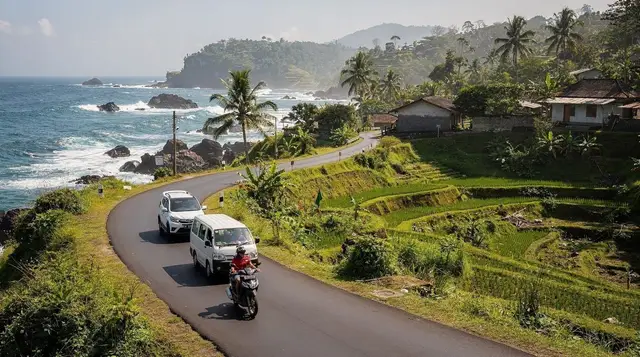
These are our own photographs of Bali, not the operator's pictures of this tour — open the tour page to see those.