Bali Coffee and the Truth About Luwak Coffee
Is kopi luwak coffee at Bali plantation tours ethical?
At most roadside plantation stops offering a free tasting, no. The civets involved are typically kept caged and fed a controlled diet specifically to produce the coffee, which is a significant animal-welfare concern that the tours themselves rarely mention. Genuinely wild-collected, free-roaming luwak coffee exists but is far less common at tourist-facing tastings than the marketing suggests.
Almost every coffee plantation tour around Ubud offers a free tasting flight of local coffees and teas, and almost every one of them prominently features kopi luwak — coffee made from beans that have passed through the digestive system of the Asian palm civet, prized for a smoother, less bitter flavour the fermentation process is said to produce. It’s one of the most marketed food experiences on the island, and it’s also the one most worth approaching with a clear head rather than simply following the crowd into whichever plantation your driver pulls into.
The uncomfortable part, which most tour operators don’t volunteer unprompted, is that the majority of civets used at commercial plantation stops are kept in small cages and fed a controlled diet of coffee cherries specifically to produce a steady, sellable supply, rather than roaming wild and having their droppings collected naturally, which is how the product’s origin story is usually told. This guide covers what’s actually happening at a typical plantation stop, what a more genuinely ethical version of the experience looks like, and what’s worth trying regardless of how you feel about luwak coffee specifically.
Bali coffee at a glance
| What’s grown | Arabica and robusta coffee, plus local teas, ginger, and cacao at many of the same plantations |
| The ethical issue | Most commercial luwak coffee comes from caged civets fed a controlled diet, not wild-foraged beans |
| Cost | Tastings at plantation stops are typically free; kopi luwak itself, if purchased, costs considerably more than standard coffee |
| Where to try responsibly | Smaller, transparent producers who can explain their sourcing, or simply skip luwak and focus on regular Balinese coffee |
| Best time | Year-round; this isn’t a seasonal stop |
What actually happens at a typical plantation stop
Most tours built around a coffee plantation visit follow the same basic pattern: a short walk through growing coffee, cacao, and spice plants, a viewing area with caged civets, sometimes just one or two animals, and then a free tasting of eight to a dozen small cups covering different coffees and teas, with kopi luwak presented as the premium, must-try option among them. The tasting itself is genuinely enjoyable as an introduction to the range of Balinese coffee and tea, but the civet viewing area is the part worth thinking about critically — these are wild animals, naturally solitary and nocturnal, kept in small enclosures for tourist viewing and coffee production rather than anything resembling their natural behaviour.
Why the caged-civet issue matters
Wild civets naturally forage for ripe coffee cherries among many other foods, and the traditional, low-volume version of luwak coffee involved collecting their droppings from the forest floor — a genuinely wild-foraged product, produced in small quantities because it relied entirely on where wild animals happened to feed.
As demand for kopi luwak grew internationally, driven partly by its reputation as one of the world’s more expensive coffees, farms began caging civets and feeding them a controlled diet of coffee cherries to guarantee predictable, scalable output. This shift from wild foraging to caged farming is well documented by animal-welfare organisations, and it’s the version of the industry that most roadside plantation stops in Bali are, whether they say so directly or not, actually part of.
How to actually ask the right questions
If you’re unsure whether a specific plantation is worth supporting, a few direct questions to staff can tell you more than any sign at the entrance. Ask how many civets they keep and whether the animals are ever released or rotated back into a natural habitat, ask whether the coffee is collected from caged animals on-site or sourced from elsewhere, and pay attention to whether staff answer clearly or deflect. A transparent, well-run operation generally has straightforward answers ready, since they’ve likely been asked before by other curious visitors; evasiveness or a quick change of subject is itself useful information about what you’re actually looking at.
What to do instead if the ethics bother you
You don’t need to skip a coffee plantation visit entirely to sidestep the luwak issue — simply decline that specific cup during the tasting and focus on the regular Balinese arabica and robusta coffees, which make up the bulk of most tasting flights anyway and are grown and processed without any animal involvement.
A broader cultural stop like the Tirta Empul purification and coffee tour pairs a temple visit with a coffee tasting, giving you the option to fully engage with the coffee side while treating the luwak cup as entirely optional. Tours built around other activities, such as the Ubud jungle swing and Balinese house coffee tasting tour, similarly include a tasting as one stop among several rather than making it the whole point of the visit.
What Balinese coffee is actually like beyond luwak
Bali grows both arabica, typically from higher-altitude areas like Kintamani, and robusta at lower elevations, and the difference between the two is worth understanding beyond just the luwak conversation: arabica tends toward a brighter, more acidic profile, while robusta is stronger and more bitter, often used in traditional Balinese coffee preparation where grounds are simply steeped directly in the cup rather than filtered. A full tasting flight typically covers both alongside flavoured options like ginger coffee, ginseng coffee, and various local teas, giving a genuinely useful sense of the range even if you skip the luwak cup entirely.
Traditional Balinese-style coffee, often just called kopi Bali, is worth calling out specifically since it’s easy to overlook amid the more elaborate flavoured options on a tasting menu. It’s typically finely ground robusta simply combined with hot water and a generous amount of sugar, left to settle rather than filtered, resulting in a strong, slightly gritty last sip that’s part of the traditional serving style rather than a flaw. It’s a genuinely different experience from a filtered or espresso-based coffee, and it’s the version you’ll most often be served at an ordinary warung rather than a tourist-facing cafe.
Combining a coffee stop with other activities
Because plantation stops are quick and don’t require a dedicated half-day on their own, most visitors combine one with another Ubud-area activity rather than treating it as a standalone outing. A package like the Ubud Pakerisan river tubing, coffee tasting, and jungle swing tour is a fairly typical example of this pattern, bundling an active outdoor activity with a coffee stop as one part of a fuller day.
If you’d rather build a more customised day around specific interests, the customisable Ubud tour with lunch and coffee tasting lets you shape the itinerary around what you actually want to see rather than a fixed package.
What isn’t worth the detour
Skip any plantation specifically marketed around getting close to or handling the civets for photos — this treats a wild animal as a prop and tends to correlate with the least transparent, least welfare-conscious operations. It’s also not worth paying a premium for a “genuine wild” luwak coffee claim at a roadside tourist stop without any real evidence behind it; if you want the traditional wild-foraged product specifically, it’s more reliably sourced through specialist, reputable coffee retailers who can document their supply chain than through a tasting counter aimed at passing tour groups.
A more transparent alternative
A small number of operators are more explicit about ethical sourcing, either working with genuinely free-roaming civets in a forest setting or skipping luwak coffee from their offering altogether and focusing purely on standard Balinese coffee and tea. A silver-craft-focused stop like the Ubud silver jewelry class and coffee tasting is one example of a tour where coffee is a secondary element to a different craft activity, which naturally sidesteps some of the pressure tour groups can feel to specifically seek out and purchase luwak coffee as the day’s highlight.
What it costs
Standard plantation tastings are typically offered free as a way to encourage on-site purchases afterwards, and this is worth knowing going in — there’s no obligation to buy anything, including luwak coffee, regardless of any pressure you might feel at the end of the tasting. If you do want to purchase luwak coffee specifically, expect it to cost considerably more than standard Balinese coffee, reflecting both its traditional rarity and, at less scrupulous operations, a price that doesn’t necessarily correlate with genuine wild sourcing or quality.
When to go
Coffee plantation stops run year-round and aren’t affected by season in any meaningful way, making them an easy addition to almost any Ubud-area day regardless of when you’re visiting. Morning visits tend to be quieter and cooler for the walking portion of the tour, though this matters less here than at more physically demanding activities.
Getting there and getting around
Coffee plantations are concentrated particularly around Ubud, Kintamani, and the surrounding highlands, where the elevation suits arabica growing specifically. Most visitors reach them as part of a larger day tour with a private driver rather than travelling independently, since plantations are often positioned along common day-trip routes between other Ubud-area attractions. Grab and Gojek can reach some closer-in plantations, but a private driver or organised tour is the more practical option for anything further into the highlands.
How this fits into a longer trip
A coffee stop works best as one part of a broader Ubud-area day rather than a dedicated outing on its own. The Balinese food guide and the Indonesian drinks: arak and jamu guide both cover other food and drink traditions worth pairing with a coffee stop, and the Ubud cooking classes guide is a natural complement if you want a more hands-on food experience the same day.
For travellers weighing up whether the plantation tourism circuit generally is worth their time, the Bali coffee plantations tourist trap post goes further into the broader critique than fits in this guide specifically. If you’re building a longer Ubud itinerary, Ubud and Kintamani both make sensible bases for combining a coffee stop with other highland activities.
Frequently asked questions about Bali Coffee and the Truth About Luwak Coffee
Is all kopi luwak unethical?
Not necessarily all of it, but the majority sold at roadside tourist plantations comes from caged, factory-fed civets rather than wild-foraged sources. Genuinely ethical, wild-collected luwak coffee exists but is harder to verify at a typical tasting stop.
Can I skip the luwak cup without it being awkward?
Yes, completely. Tasting flights include several other coffees and teas, and declining one specific cup is entirely normal and not something staff will push back on.
Is regular Balinese coffee worth trying even without the luwak angle?
Yes. Balinese arabica and robusta coffees are genuinely worth trying on their own merits, particularly arabica from higher-altitude growing areas like Kintamani.
Are the civets at these plantations treated badly?
Civets kept for coffee production are typically caged in conditions that don’t reflect their natural nocturnal, foraging behaviour, which animal-welfare organisations have raised as a genuine concern. Standards vary between operators, and transparency about sourcing is the clearest signal to look for.
Is it worth paying more for “wild” luwak coffee?
If genuine, wild-foraged luwak coffee is rare and does carry real value, but verifying that claim at a tourist-facing plantation stop is difficult. A reputable specialist coffee retailer with documented sourcing is a more reliable route if this specifically interests you.
Do all plantation tours include a civet viewing area?
Most that offer kopi luwak tastings do include some kind of civet display, since it’s part of the sales pitch for the product. If you’d rather avoid this entirely, look for tours that focus purely on coffee and tea tasting without an animal component.
Can I visit a plantation without joining a full day tour?
Some plantations are set up for standalone visits, but most travellers encounter them as one stop within a larger day tour itinerary, given how they’re positioned along common highland routes.
Is buying coffee at the plantation the only way to try it?
No, standard Balinese coffee is widely available at cafes, warungs, and shops across the island without needing to visit a plantation specifically. The plantation visit is more about the experience and setting than being the only access point to the coffee itself.
Bali food & drink tours on GetYourGuide
Verified deep-linked GetYourGuide tours. Book through these links and we earn a small commission at no cost to you.
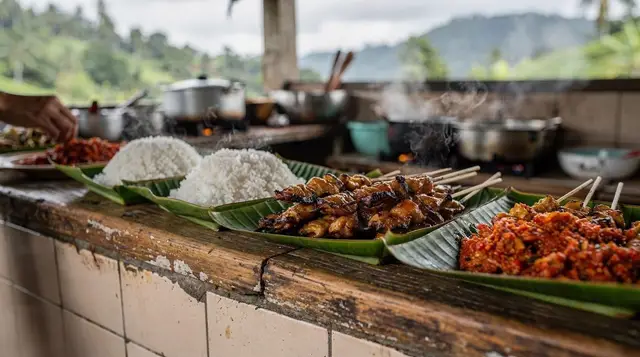
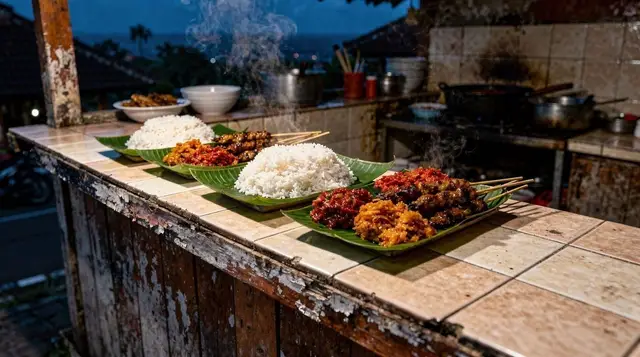
These are our own photographs of Bali, not the operator's pictures of this tour — open the tour page to see those.